
What Sets Residential and Commercial Junk Removal Apart?
Residential vs. Commercial Junk Removal: What’s Different and Which One Do You Need?
Residential and commercial junk removal both clear unwanted stuff, but they’re not the same service. Residential teams handle household items and occasional cleanouts, while commercial crews manage bigger volumes, ongoing contracts, and project debris from offices, stores, and construction sites. Knowing the differences helps homeowners and facility managers pick the right provider, avoid permit snags, and budget accurately. This guide walks through scope and volume, typical items, equipment and crew needs, NYC-specific compliance considerations, and how pricing is usually structured. It also highlights how recycling and donation paths differ between homes and businesses — plus practical tips for getting accurate quotes and minimizing disruption during a removal.
How do scope and volume differ between residential and commercial jobs?
Scale is the main difference. Residential work ranges from a single-item pickup to a full-home clearout done occasionally. Commercial jobs often cover multiple rooms, floors, or sites, produce high tonnage, and need staged logistics. Homes generate episodic waste from moves, estate clearouts, or small renovations; businesses and construction sites produce steady or concentrated debris that can require permits, roll-off dumpsters, and careful scheduling. Knowing which side your job falls on — same-day truck vs. multi-day crew with dumpsters — prevents delays and surprise fees. The table below gives a quick comparison so you can judge where your job fits.
| Job Type | Typical Volume & Frequency | Common Triggers |
|---|---|---|
| Residential | Single-item pickups to full-home clearouts; usually occasional | Moving, estate cleanout, room declutter, small renovation |
| Small Commercial | Multi-office or retail cleanouts; occasional or periodic | Office relocation, store refit, tenant turnover |
| Construction/Industrial | High-volume, multi-day hauls; recurring during project phases | Demolition, new construction, contractor debris |
In short: commercial and construction projects usually need more capacity and paperwork than household jobs. Match scope to equipment and timing to avoid surprises.
How does residential junk removal handle smaller household waste?
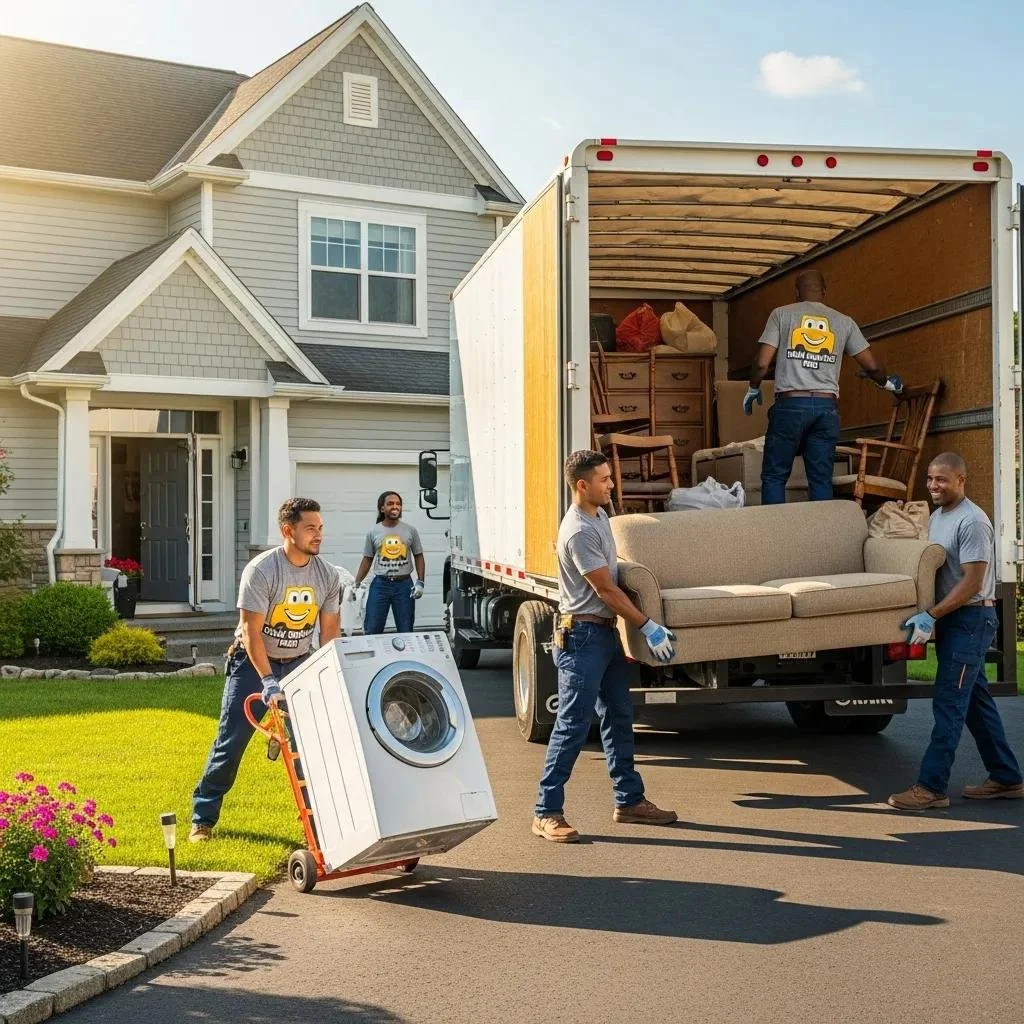
Residential crews are smaller and use compact box trucks to remove furniture, appliances, and household debris with little coordination. The process is simple: we schedule, arrive, assess, and load — often finishing single-item pickups within hours or the same day when slots are available. The main advantage is convenience: homeowners don’t have to arrange dumpsters or permits, and many providers route reusable items to donation or recycling partners to keep stuff out of landfills. For example, a sofa or fridge in Queens can usually be handled as a single-stop job with a two-person crew and a box truck. Preparing items and noting access limits helps get an accurate estimate.
That straightforward workflow is very different from larger commercial projects, where staging and permits are often required.
What kinds of larger-volume, business-specific waste come up in commercial removals?
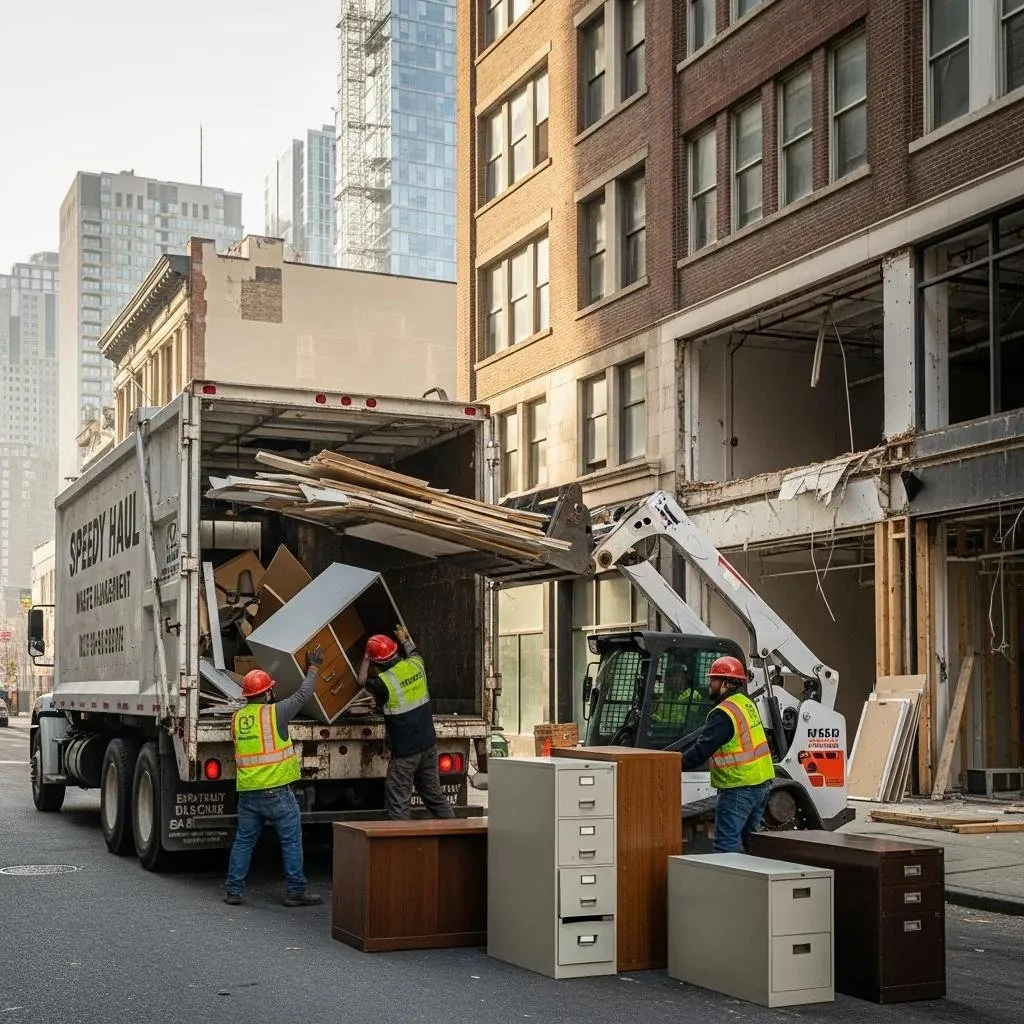
Commercial removals often include palletized goods, office furniture suites, modular walls, and construction debris that need roll-off dumpsters, box trucks, and sometimes crane or lift services for heavy fixtures. These jobs focus on staging, permits, and coordination with building managers to limit downtime — common tactics include after-hours hauls and booking loading docks. The outcome is a structured operation that reduces disruption but requires project management and disposal documentation. In Manhattan or larger Brooklyn buildings, narrow delivery windows and freight-elevator schedules can stretch a cleanout across several days, so commercial jobs usually have larger crews and onsite supervision.
Those operational differences affect the kinds of items you’ll sort and where they end up.
Providers who do both residential and commercial work can scale resources to fit the job. Best Price Junk Removal, based in Queens, handles small home pickups and large commercial hauls across Queens, Brooklyn, Manhattan, Bronx, and Staten Island — offering same-day residential service when possible and multi-truck coordination for bigger projects.
Which items are typically removed in residential vs. commercial services?
Item types and disposal routes vary a lot. Residential jobs focus on household goods; commercial jobs often include office equipment and construction materials that need special recycling streams. Sorting depends on what items are made of — electronics, appliances, and textiles follow different rules and donation channels — so quick triage saves time and money. Below are common item categories and where they usually go.
Typical residential items and the preferred disposal or reuse options:
Furniture: Sofas, tables, and mattresses — often reusable or recyclable and good candidates for donation or refurbishment.
Appliances: Refrigerators, washers, stoves — need proper appliance recycling or transfer stations that handle refrigerants.
E-waste: TVs, computers, peripherals — routed to e-waste recycling; not for general landfill.
Small renovation debris: Cabinets, tile, flooring — may require separate hauling or drop-off at recycling centers.
How are common residential items handled and disposed?
Residential removals usually cover bulky furniture, white goods, electronics, and yard waste. Crews do an on-site check to identify items fit for donation, anything needing special handling (like appliances with refrigerants), and materials that can be recycled. The upside for homeowners is lower cost and environmental benefit when items are diverted to donation centers or recyclers instead of landfills. In NYC, many companies work with local charities and recycling partners — pre-sorting by the resident speeds the job and can lower fees.
Preparing items this way helps you understand the extra steps commercial-scale removals must take for larger or more regulated materials.
What specialized commercial waste and disposal practices are involved?
Commercial projects often produce bulk e-waste, palletized goods, drywall, concrete, and other construction materials that need staged sorting and contractor coordination before going to permitted transfer stations. The process includes manifests for regulated materials and dedicated recycling streams, especially for construction and demolition (C&D) debris, to boost diversion rates. Businesses benefit from compliance and lower long-term disposal costs when materials are recycled or reused, but this takes time and paperwork. Expect e-waste and hazardous components to go through certified recyclers and for contractors to require proof of proper disposal to close permits.
Best Price Junk Removal lists core services — furniture removal, appliance pickup, e-waste recycling, and construction debris hauling — showing how a single provider can coordinate donation and recycling for both homes and businesses.
How do equipment, logistics, and workforce differ between the two?
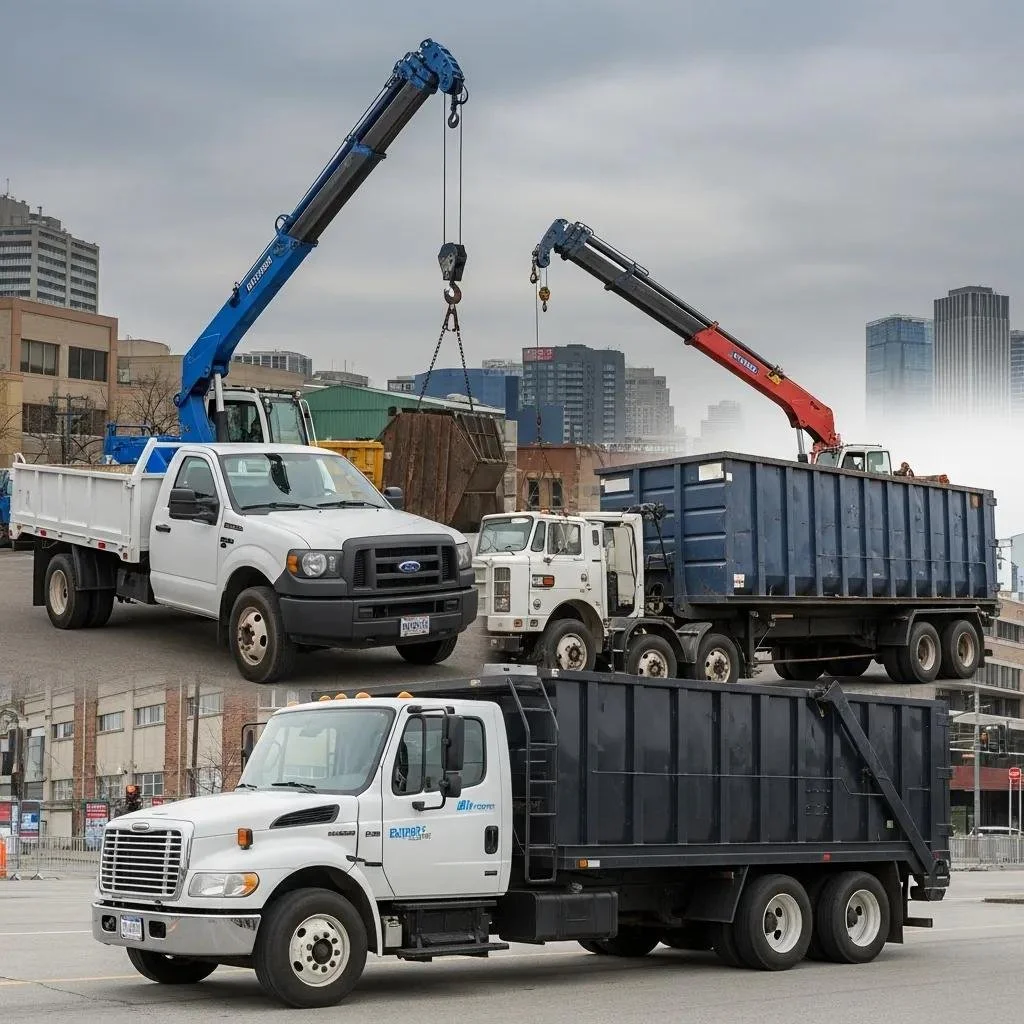
Residential jobs usually use smaller vehicles and smaller crews; commercial work needs larger trucks, roll-off dumpsters, and specialized tools plus coordinated crews to manage multi-stop or multi-day schedules. Residential pickups focus on quick entry and curbside access, while commercial projects require staging, loading-dock coordination, freight-elevator bookings, and sometimes crane work for oversized items. Choosing the right vehicle and crew size up front cuts downtime and avoids permit delays. The equipment table below maps common tools to typical uses.
Equipment commonly used and when it’s appropriate:
| Equipment | Typical Use Case | Capacity / Notes |
|---|---|---|
| Pickup / Box Truck | Single-item pickups and small house cleanouts | 1–2 crew; ideal for same-day residential jobs |
| 16–26 ft Box Truck | Full-home or multi-room cleanouts | 2–4 crew; good for moderate volumes without roll-offs |
| Roll-off Dumpster | Construction debris and large commercial projects | Often requires curbside or street permit in NYC |
| Crane / Lift Service | Large fixtures, rooftop or exterior heavy lifts | Needs specialized operator and safety plan |
What equipment and simpler logistics are used for residential jobs?
Residential removals rely on pickup or medium box trucks, hand trucks, furniture dollies, and 1–3 person crews for quick door-to-truck transfers with minimal permits. Because there’s little staged sorting, most jobs finish in a few hours unless there are many large items. The benefit for homeowners is speed and lower labor costs, with same-day options when providers have local availability. Note access constraints — narrow staircases or limited parking may need a bigger crew or extra time but rarely require formal permits.
Those simpler logistics contrast with commercial needs, where permits and scheduling drive the operation.
Why do commercial jobs require specialized gear and planning?
Commercial projects often need roll-off dumpsters, multiple large trucks, pallet jacks, and sometimes crane services for bulky or rooftop materials. These jobs require scheduling with building management, obtaining curb or sidewalk permits, and sequencing loads to avoid disrupting business — often with evening or weekend work. The payoff is less downtime and safer, compliant removal, but it adds planning and permit fees. In dense NYC buildings, freight-elevator windows and loading-dock reservations frequently control the schedule, so solid logistics are essential.
Those logistics feed directly into the different regulatory and compliance rules for residential and commercial work.
What regulatory and environmental compliance differences should I know?
Rules differ by volume and waste type. Residential waste typically follows municipal curbside rules and accepted recycling streams; commercial waste usually needs manifests, permits, and documented disposal to meet city and environmental rules. Businesses must be able to show chain-of-custody for audits or permits, while homeowners still need to follow e-waste and hazardous-material rules. Knowing these differences helps avoid fines and ensures regulated items are handled correctly. Below are the key regulatory touchpoints and eco-friendly options to consider.
Key compliance and sustainability items:
Residential rules: Follow DSNY guidance for curbside recycling and household hazardous waste drop-off; e-waste and appliances may need special pickup or drop-off.
Commercial obligations: Businesses often need manifests, transfer station receipts, and permits for curbside containers or roll-off dumpsters.
Sustainability practices: Donation, reuse, and recycling partners increase diversion and reduce landfill disposal.
Knowing the rules helps you choose vendors focused on diversion and compliance. For businesses, keeping manifests and receipts protects you during inspections and project closeouts — an important point in NYC’s regulated environment.
Which residential rules and eco-friendly options matter most?
In NYC, residential disposal follows DSNY curbside rules, e-waste handling, and household hazardous waste programs. Many private haulers triage items at pickup — separating donation-worthy furniture and appliances from C&D debris and hazardous items — so partners can accept them. The benefit is lower landfill fees and community reuse. Homeowners should check local collection rules and tell their hauler about items needing special handling, like appliances with refrigerants or batteries.
Understanding household procedures makes it easier to see the added documentation commercial jobs need.
What commercial compliance and sustainable practices apply?
Commercial work usually requires manifests, transfer station receipts, and sometimes a contractor-submitted disposal plan to meet building or municipal requirements. Businesses must track e-waste and hazardous materials through certified recyclers or licensed firms. The focus is traceability — documenting chain-of-custody for regulated items to meet city and federal rules and limit liability. The upside is reduced regulatory risk and better sustainability metrics when materials are diverted. Providers serving commercial clients routinely partner with recycling centers and donation organizations to maximize diversion and supply paperwork for audits or project closeouts.
Best Price Junk Removal emphasizes eco-friendly practices and local compliance, routing recyclables and reusable goods through approved partners to help clients meet regulations and sustainability goals in NYC.
How do cost structures and pricing models differ between residential and commercial jobs?
Residential jobs often use per-item or flat-rate pricing for small pickups. Commercial projects usually use volumetric pricing (per cubic yard), contract rates, or project bids that account for labor, permits, and disposal fees. Costs reflect volume, item type, access, and documentation — larger regulated jobs have more overhead and equipment needs. Understanding pricing models helps you budget and compare quotes fairly (per-item vs per-yard vs flat-rate). The table below breaks down common pricing drivers and examples.
What each pricing component typically covers:
| Pricing Component | Typical Application | Range / Example |
|---|---|---|
| Per-item / Flat Rate | Small residential pickups (sofa, appliance) | Common for single-item jobs; quote includes labor and disposal |
| Volumetric (cubic yard) | Commercial cleanouts, construction debris | Priced by truckload or cubic yard; scales with volume |
| Contract / Recurring | Regular commercial service agreements | Monthly or per-pickup rates negotiated for multiple sites |
| Permit & Disposal Fees | Commercial roll-offs or regulated waste | Added to base price; depends on transfer station and material type |
What affects residential pricing?
Residential prices depend on volume, item size and weight, access challenges (stairs, narrow hallways), and whether items can be donated or recycled. Providers base quotes on labor and disposal costs; reusable items and easy access lower the price. Homeowners who pre-sort, describe access constraints, and note item condition get more accurate estimates. Unexpected obstacles — tight staircases or parking tickets — can increase costs.
These factors differ from commercial pricing, which includes bids, manifests, and permit fees.
How are commercial costs calculated and what should businesses expect?
Commercial quotes factor in project scope, duration, permit and disposal documentation, and whether staging or after-hours work is needed. Bids include labor, equipment, transport, disposal fees, and administrative time for manifests. Quotes often require a site visit or detailed inventory and may list roll-off rental, per-cubic-yard hauling, and permit costs. A clear commercial estimate helps with budgeting and clarifies who’s responsible for compliance. Ask for line-item breakdowns so you can compare labor, equipment, disposal, and permit fees — and see how recycling affects the final price.
Why pick Best Price Junk Removal for residential and commercial jobs?
Best Price Junk Removal is a full-service company in Queens, NY serving Queens, Brooklyn, Manhattan, Bronx, and Staten Island. We handle residential, commercial, and industrial removals, including furniture and appliance pickup, construction debris hauling, plus recycling and donation routing. Our approach blends fair pricing, fast scheduling — often same-day for homeowners — and an environmental focus that directs reusable goods to donation partners. The result: flexible local service that can do a quick home pickup or manage a coordinated commercial cleanout while keeping material out of landfills. For a free estimate or to book service, we cover all five boroughs and help plan disposal and scheduling.
Below are the key ways we deliver value so you can decide if we’re the right fit.
What makes Best Price Junk Removal a good choice for homeowners?
Homeowners get affordable rates, responsive scheduling (same-day often available), and respectful crews trained for careful home pickups. We prioritize donation and recycling first to lower disposal costs and environmental impact. Our local fleet and experienced crews scale from single-item jobs to full-house clearouts with quick turnaround. Residents across Queens and nearby boroughs benefit from our neighborhood knowledge and dependable service.
That homeowner focus pairs with our commercial capabilities below.
How does Best Price Junk Removal serve commercial clients?
For businesses we deploy larger trucks and coordinated crews, manage required documentation, and work with recycling and donation partners to boost diversion and meet compliance needs. Our process includes project planning, permit coordination for roll-offs, and flexible scheduling to reduce business disruption. The upside for companies is end-to-end management so they can keep working while we handle logistics and regulatory tasks. Request a free estimate or schedule a commercial cleanout — we operate borough-wide with experience across many project types.
Phone contact: Call to describe items, access, and timing so a rep can give a tailored estimate.
Email inquiries: Send photos and a short inventory to get a written estimate and scheduling options.
On-site assessment: For larger commercial jobs, arrange a site visit so crews can scope permits and equipment needs.
Frequently Asked Questions
1. What should I consider when choosing residential vs. commercial junk removal?
Think about volume and item type. Residential services fit single-item pickups or occasional whole-home cleanouts. Commercial services are designed for larger, ongoing projects with more logistics and paperwork. Also factor in your budget, timeline, and any permit or documentation needs so you pick the right provider.
2. Are eco-friendly options available for junk removal?
Yes. Many companies, including Best Price Junk Removal, recycle and donate where possible, and properly dispose of hazardous materials. Ask providers about their recycling partners and donation channels to keep usable items out of landfills.
3. How should I prepare for a junk removal appointment?
Sort items into keep, donate, recycle, and dispose. Clear pathways for the crew and point out access issues like narrow stairs. Tell the hauler about any special items (appliances with refrigerants, batteries) so they can plan properly. Good prep speeds the job and can lower costs.
4. What hidden costs should I watch for?
Hidden fees can come from heavy or bulky items, permits for curbside pickups, and disposal fees for regulated waste. Always request a detailed estimate that lists possible extras so there are no surprises.
5. How do I ensure compliance with local regulations?
Know your local disposal rules — what’s allowed curbside, how to handle hazardous items, and whether permits are needed for large pickups. Picking a reputable provider familiar with NYC rules helps you stay compliant and avoid fines.
6. Can I get same-day junk removal?
Many companies, including Best Price Junk Removal, offer same-day service for residential pickups when crews are available. To increase your chances, call early and provide clear details about what needs removing.
7. What items are typically not accepted?
Most haulers don’t take hazardous materials (chemicals, paint, certain e-waste) without special handling. Tires, batteries, and some appliances may require special disposal. Check with your provider about prohibited items before your appointment.
Conclusion
Knowing the difference between residential and commercial junk removal helps you pick the right service, budget correctly, and stay compliant. Whether you need a fast home cleanout or a managed commercial project, the right provider makes the process smooth and more sustainable. Contact Best Price Junk Removal to get a tailored plan and a free estimate for your next removal.