
Affordable Junk Removal for Construction Sites Made Easy
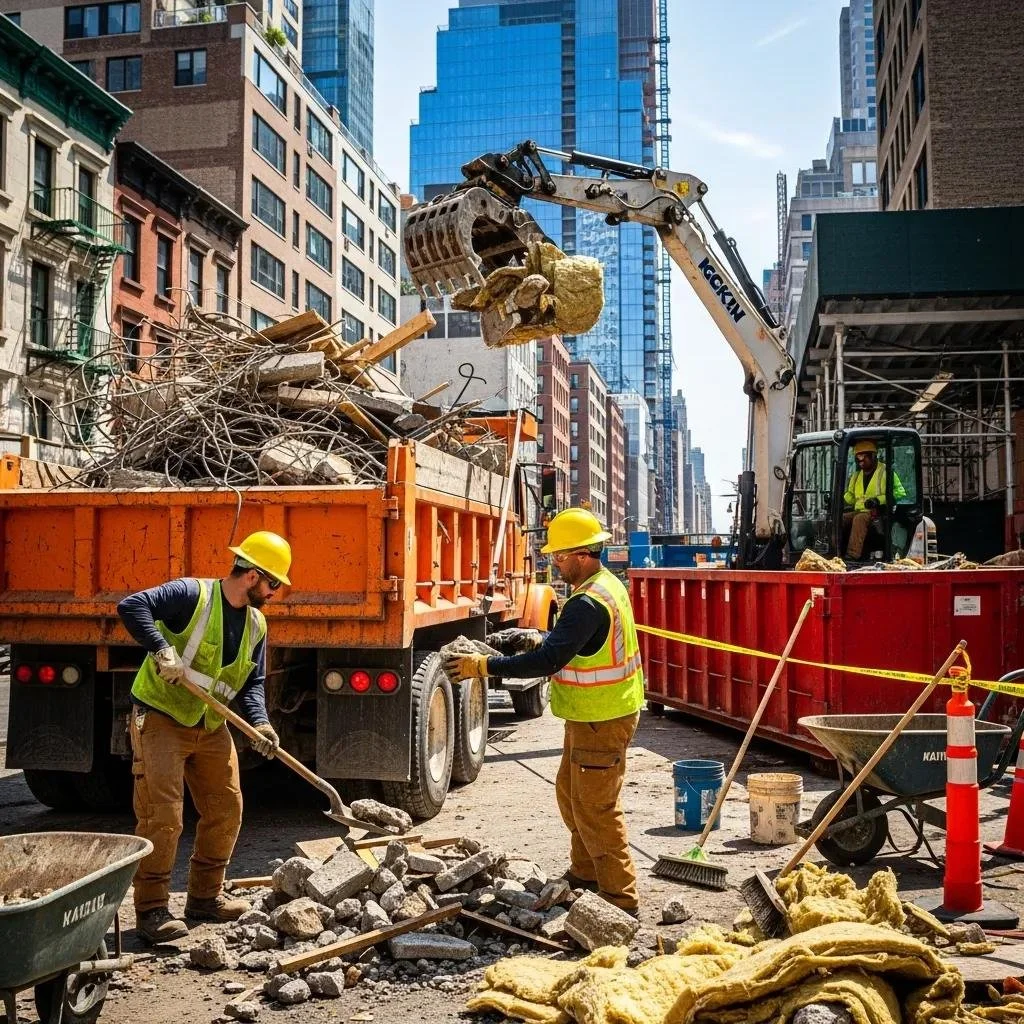
Affordable Junk Removal for Your NYC Construction Sites
Construction debris removal on active job sites means clearing out building materials, demolition waste, and trade scrap so projects stay on schedule, safe, and code-compliant. Affordable options make that essential work accessible to contractors and property managers across New York City. This guide walks through how site cleanouts run, what materials we handle, and practical ways to control disposal costs while boosting recycling and safety. NYC contractors regularly contend with tight timelines, crowded streets, and shifting disposal rules that can slow turnover and raise costs; the recommendations here are clear, actionable steps to avoid those setbacks. You’ll learn why a pro debris-removal team saves time and money, which materials can be recycled versus those bound for landfill, how to get accurate free estimates, and what to expect for same-day or scheduled pickups. The sections below cover service benefits, material-specific handling, the removal workflow, borough logistics from Queens to Staten Island, pricing drivers and estimate prep, plus sustainable disposal practices tailored for NYC projects. Practical checklists and targeted tips will help contractors, site supervisors, and property owners secure affordable junk removal without sacrificing responsible disposal.
Why pick affordable construction debris removal in NYC?
Affordable construction debris removal firms specialize in quickly hauling mixed building waste, cutting on-site hazards, and freeing space for the next trade. By pairing volume-aware pricing, fast scheduling, and clear recycling routes, these services lower overall project costs and shrink downtime. Contractors see fewer handling steps, fewer safety incidents, and faster turnover—benefits that improve bids and keep schedules on track. Knowing these operational advantages makes it easy to see why a local, cost-conscious provider matters for dense urban projects and regulatory compliance. Below we outline specific money-saving options and same-day service perks.
Cost-effective solutions we offer for construction sites
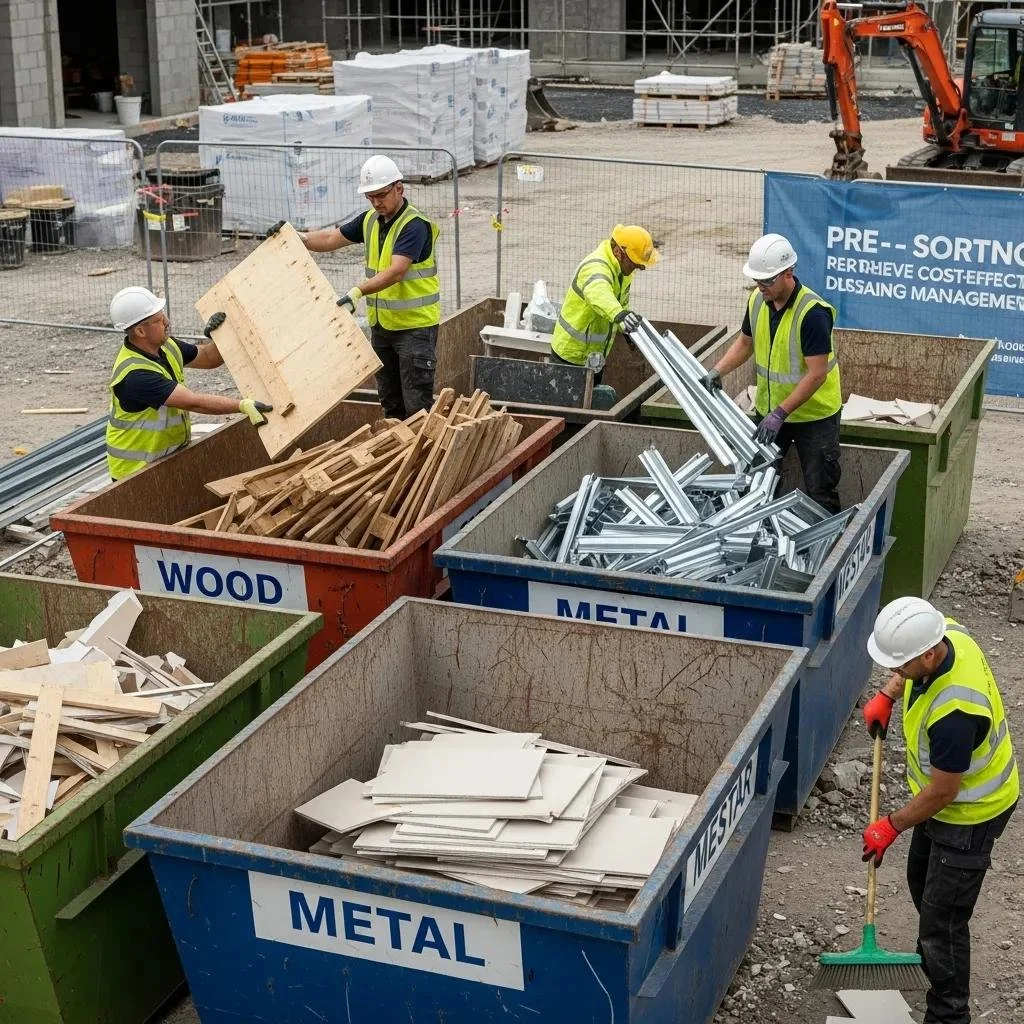
Smart, cost-effective debris removal starts with matching the service model to job size and material mix. Flat-rate truckloads, volume pricing, and dumpster alternatives each work for different needs. Flat-rate truckloads are predictable for single-trade cleanups; volume- or weight-based pricing fits mixed-material demos where density matters. Having a crew sort on-site keeps recyclables out of landfill loads and cuts disposal fees. Consolidating waste into fewer hauls, booking pickups during off-peak traffic windows, and separating high-value recyclables like metal are practical steps that reduce costs. Contractors who stage and pre-sort materials before the crew arrives typically get more accurate free estimates and lower final invoices—leading into the fast-service options below.
Simple cost-saving tactics for construction cleanups:
Choose the right pricing model: Use flat-rate truckloads for small, predictable jobs and volume/weight pricing for large, mixed-material demos.
Pre-sort and stage materials: Separate metals, clean wood, and recyclables to avoid landfill fees and potentially recover scrap value.
Schedule strategically: Book pickups during off-peak hours and consolidate hauls to cut labor and traffic delay costs.
How same-day service helps your cleanup
Same-day debris removal reduces schedule risk by getting hazardous or obstructive material offsite fast so the next trades can start on time. Quick pickup clears clutter that causes trips, falls, and logistical hold-ups, and it shortens the time materials are exposed to weather, theft, or contamination. For tight turnovers—tenant buildouts, short-timeline renovations, or phased demolitions—same-day service often produces measurable savings by minimizing idle labor and accelerating occupancy or next-phase work. When fast removal is paired with good staging and sorting, project continuity improves and the administrative burden of many small hauls drops, which makes booking and estimating smoother (covered below).
After weighing these operational benefits, most teams choose a provider that balances affordability, speed, and responsible disposal; the paragraph that follows summarizes those practical provider features.
Best Price Junk Removal offers locally focused construction debris removal across New York City with competitive pricing, same-day availability in most neighborhoods, and eco-aware disposal practices that prioritize recycling and compliant transfer station drop-offs. We keep pricing transparent and volume-aware, simplify scheduling, and help sites move faster while aligning disposal choices with sustainability goals. For a clear path to a free estimate and fast pickup, request a free estimate so we can match service to your job size, material mix, and timing needs.
What types of construction debris do we remove?
Construction debris removal includes everything from light renovation scrap to heavy demolition fragments, and each material needs different handling, sorting, and disposal or recycling pathways. Commonly removed items include gypsum drywall, clean and treated wood, concrete and masonry, metal scrap, insulation, roofing materials, and delivery packaging. Knowing how each material is processed—salvageable, recyclable, or landfill-bound—helps teams cut costs and divert waste. The descriptions below explain typical handling and set expectations so contractors can prepare sites and request accurate estimates based on material type and volume.
Which common construction materials do we handle?
We safely remove standard building materials while aiming for maximum diversion: drywall is pulled in sheets and routed to C&D processors where accepted; clean lumber is separated for reuse or wood recycling while treated wood may require landfill disposal; metals are segregated for scrap recycling; concrete and masonry are crushed or sent to inert-material processors when available. Insulation—loose-fill or batt—is handled based on contamination and local acceptance; roofing shingles are separated due to asphalt content and recycled or landfilled depending on facility capability. On-site sorting and clear labeling by crews speed recycling and lower mixed-waste surcharges, which is especially helpful on larger demolition jobs covered next.
| Material | How it's handled | Typical outcome / notes |
|---|---|---|
| Drywall (gypsum) | Removed in sheets, kept dry | Sent to C&D processors or landfill; recycling available in some cases |
| Wood (clean lumber) | Separated from treated wood | Reused or sent to wood recycling; treated wood may be landfilled |
| Metal (steel, copper) | Segregated and baled on-site | Recycled at scrap facilities for credit or diversion |
| Concrete & masonry | Broken down and crushed when possible | Recycled as aggregate or taken to inert-material facilities |
| Insulation & roofing | Segregated by type and contamination | Recycling depends on material and local acceptance |
How we manage demolition and renovation waste
Large demolition jobs need staging areas, phased removal, and coordination with traffic and permit rules to keep sites safe and minimize neighborhood impact. Crews break work into predictable chunks—interior gut-outs, structural demo, and site grading—so loads can be routed to proper transfer stations or recycling centers. When roll-off dumpsters aren’t ideal, flat-rate truckloads or scheduled crew hauls reduce curbspace use and help avoid permit delays; contractors should note access restrictions and parking needs in advance. Well-managed demo logistics boost crew efficiency, shorten rebuild timelines, and lead to more accurate cost and schedule estimates, which ties into the step-by-step scheduling process below.
How our construction junk removal process works
An efficient removal process is a simple, repeatable workflow: gather clear project details, schedule the job, perform on-site removal, then handle disposal or recycling responsibly. That structure shortens response times and controls costs while ensuring sites stay safe and materials go to the right place. Good client communication about access, material types, and timing is essential. Below are the exact steps to request a free estimate and schedule pickup, and the info that produces the most accurate quotes.
Steps to request a free estimate and schedule pickup
Getting a free estimate should be easy: prepare photos, list materials and approximate volumes, and note any access or parking constraints so providers can quote correctly. A typical workflow looks like this:
Submit project details: Send photos, a materials list, and an approximate volume or truckload count.
Receive a free estimate: We review photos and details, then send a written estimate with pricing options.
Schedule pickup: Confirm a same-day or scheduled slot based on urgency and access; we assign crew and truck.
On-site removal and verification: Crew removes debris, sorts recyclables, and provides a disposal receipt if requested.
These steps align expectations before arrival and ensure crews bring the right gear for bulky or heavy items. For smooth booking, include gate codes, elevator access, and curbside parking notes in your initial request so the pickup proceeds without delay.
| Step | Client action | Expected timeframe / notes |
|---|---|---|
| Project submission | Provide photos, materials list, access notes | Immediate; same-day response often possible |
| Estimate review | Confirm scope and pricing options | Typically within hours for photo-based quotes |
| Scheduling | Book same-day or future pickup | Same-day available in most cases subject to access |
| Removal & disposal | Be onsite for access or confirm crew entry | Completion depends on volume; crew provides confirmation |
How we responsibly dispose of or recycle construction debris
Responsible disposal starts with sorting: materials are separated on-site or at a transfer station to maximize recycling and cut landfill tonnage. Metals, clean wood, and concrete are routinely recycled; gypsum is processed where local C&D recycling exists, while contaminated or hazardous items need special handling and may be excluded from standard hauls. We coordinate with permitted transfer stations and recycling centers to route materials correctly and document diversion where clients need proof for compliance or reporting. Prioritizing recycling lowers disposal costs over time and supports NYC’s regulatory and community goals—next we explain borough coverage and local pickup logistics.
Where we provide construction debris removal in NYC
NYC cleanup work must account for borough-specific traffic, parking, and permit realities. We cover Queens, Brooklyn, Manhattan, the Bronx, and Staten Island, using neighborhood know-how to estimate travel times, secure curb permits when needed, and position crews for same-day pickups in many areas. Understanding local routing helps contractors plan sequencing, staging, and turnaround so projects meet deadlines without surprise hauling delays. The sections that follow explain practical offerings and logistics for Queens/Brooklyn and the other borough clusters.
Construction cleanup services in Queens and Brooklyn
Queens and Brooklyn jobs range from small residential renovations to medium commercial builds. Services commonly include interior cleanouts, stair carries, load-out hauling, and scalable crews for larger demo work. Same-day pickup is often possible thanks to dense routing and transfer-station proximity, but narrow streets and parking restrictions can affect timing—so flag those when you book. Typical tasks include post-renovation scrap removal, framing waste pickup, and cleanouts before drywall or finish trades. Contractors who provide clear staging directions cut time on-site and get more predictable pricing. For Queens and Brooklyn jobs, sending photos and brief access notes before requesting an estimate speeds response and improves scheduling accuracy.
How we serve Manhattan, the Bronx, and Staten Island
Manhattan projects require tight access planning—elevator access, street closures, and load-in windows often dictate crew size and timing—while the Bronx mixes residential and light commercial jobs that need flexible scheduling. Staten Island work can involve longer haul distances, so plan for slightly extended same-day windows. In dense Manhattan locations we often coordinate short-term parking permits or timed pickups to meet curb rules; sharing these needs during the estimate request prevents delays. Providing elevator dimensions, loading windows, and explicit access instructions ensures crews arrive with the right equipment and the job moves efficiently.
Best Price Junk Removal serves construction sites across all five boroughs—Queens, Brooklyn, Manhattan, the Bronx, and Staten Island—using local logistics knowledge to provide timely pickups and borough-aware routing. Our coverage and same-day availability in most areas make us a practical choice for contractors who need rapid site turnover and consistent disposal practices. Request a free estimate to confirm availability for your location and project.
How much does construction waste disposal cost?
Costs vary by volume, material type, access difficulty, and labor needs. Sharing a budgetary range helps set expectations, but photo-based free estimates give the most accurate pricing. Major cost drivers include flat-rate versus volume/weight pricing, heavy-item handling, and permit-related labor or time charges. Contractors who share material lists, approximate cubic yards, and access constraints upfront get more reliable quotes and avoid surprise surcharges. The section below lists primary pricing factors and ways to reduce expenses.
What factors influence construction debris removal pricing?
Core cost drivers include whether pricing is measured by volume or weight, material type (recyclable vs. mixed waste), site access and carry distance, labor needed for stair or tight-space removal, and any required permits or traffic control. Volume pricing works best for consolidated, predictable truckloads; weight-based pricing impacts dense materials like concrete and masonry. Hard access increases labor time and per-load costs, so staging near the curb or using temporary elevators can lower fees. To cut costs, separate recyclables from landfill waste, consolidate smaller loads into scheduled hauls, and provide clear photos and measurements when requesting a free estimate so crews arrive prepared.
Key pricing factors include:
Volume vs. weight: Dense materials like concrete drive weight-based costs; light bulky items favor volume pricing.
Access & labor: Stairs, tight corridors, and long carries increase labor hours and total price.
Material type: Hazardous or contaminated items need special handling and may add permit fees.
Knowing these drivers helps project teams plan effectively and links to how contractors should submit photos and materials for accurate quotes.
| Pricing Factor | What influences it | Example guideline for estimates |
|---|---|---|
| Volume vs. weight | Material density and truck capacity | For concrete-heavy loads, state estimated weight or number of cubic yards |
| Access difficulty | Stairs, elevators, distance to curb | Note stair count and elevator availability in photos and notes |
| Hazardous materials | Presence of asbestos, paints, solvents | Identify suspected hazardous items ahead of request to allow special handling |
| Labor requirements | Team size needed for bulky items | Indicate if piano lifts, hoists, or extra crew are required |
How contractors get accurate free estimates
Provide clear photos from multiple angles, rough measurements or truckload counts, a detailed materials list, and explicit access/parking notes to get a precise free estimate. Mention stair carries, elevator use, or any likely hazardous materials so providers can quote the right labor and permit contingencies. Photo-based estimates typically come within hours on business days; very large demos may need an on-site walkthrough to finalize pricing. Supplying this info up front reduces mid-job change orders and speeds scheduling for same-day or timed pickups.
When requesting a free estimate, include:
Photos: Several images showing volume and access points.
Material list: Identify drywall, wood, metal, concrete, insulation, etc.
Measurements: Approximate cubic yards or number of truckloads.
Access notes: Stair count, elevator availability, parking restrictions.
Providing these details leads to faster, more accurate quotes and keeps removal costs predictable while enabling efficient routing and recycling options.
How we support eco-friendly construction waste management
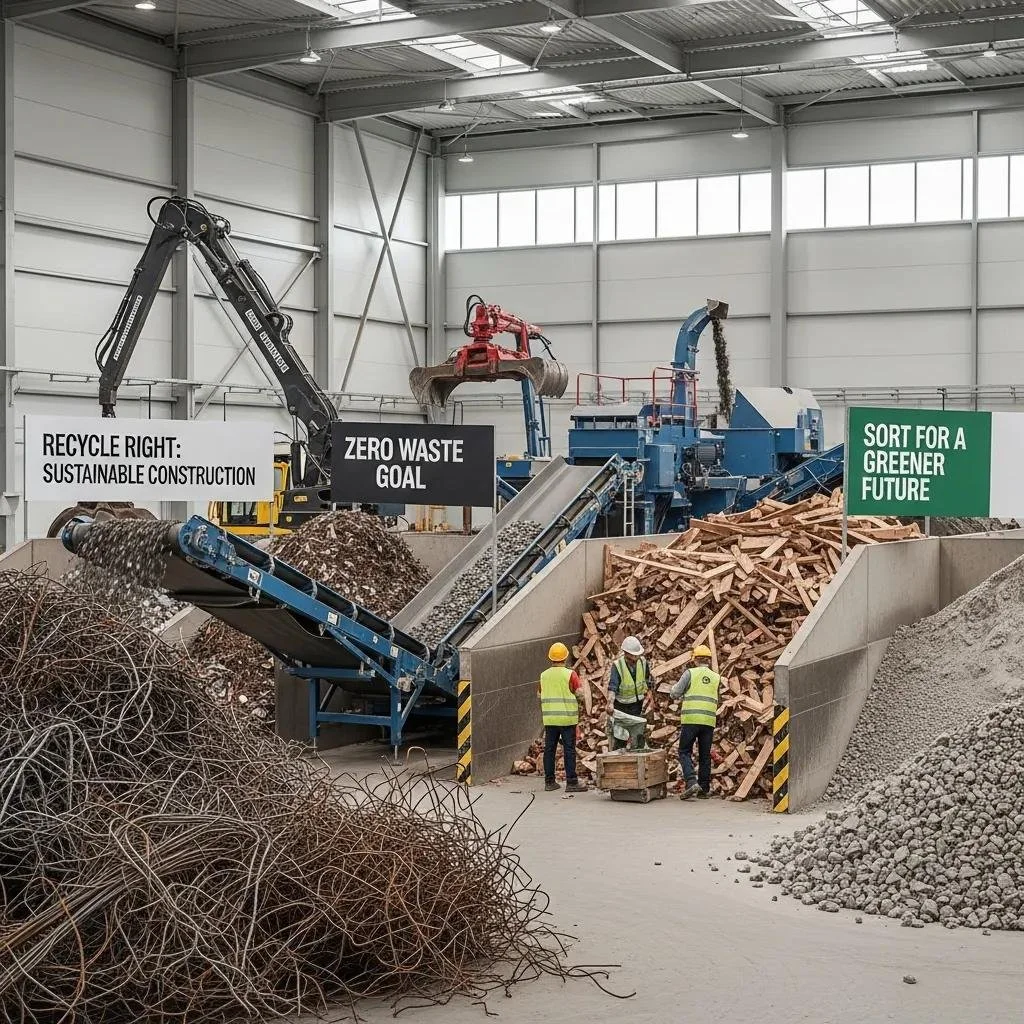
Sustainable construction waste management focuses on diversion, reuse, and recycling to cut landfill impact while meeting local rules and community expectations. Best practices include on-site sorting, partnerships with recycling centers for metals and inert materials, and documenting diversion rates when clients need reporting. Prioritizing recycling can lower disposal costs and supports project sustainability goals—especially important in NYC, where space and routes are limited and regulations favor diversion. The following sections spell out specific practices and why sustainability matters for city projects.
Recycling and responsible disposal practices we follow
Good recycling and disposal start with separating recyclable streams—metals, clean wood, concrete, and cardboard—either on-site or at a transfer facility for sorting and processing. We work with permitted recycling centers and transfer stations to route materials correctly and pursue reuse where possible. Disposal and recycling receipts help contractors demonstrate compliance and support green-building or municipal reporting. Pairing on-site sorting with targeted broker relationships raises diversion rates and reduces tipping fees, supporting both environmental goals and cost control.
Common recycling practices include:
On-site separation of metal, masonry, and clean wood to maximize diversion.
Transfer station routing to facilities that accept C&D materials for processing.
Documentation of recycled tonnage when clients require proof of diversion.
Why sustainable debris removal matters in NYC
Sustainable debris removal reduces landfill pressure, can lower long-term disposal costs, and supports regulatory and neighborhood goals in a dense city where landfill access and routing are constrained. Diverting materials like metal and concrete conserves resources and can produce scrap credits, while routing inert materials to recycling centers cuts haul distances and emissions. For project teams, sustainable practices boost reputation and can contribute to LEED or other green credits when documented properly. Prioritizing sustainability aligns operational efficiency with environmental responsibility—an advantage for contractors and property owners across New York City.
Frequently asked questions
Why use a local junk removal service for construction debris?
Local junk removal services offer faster response times and a working knowledge of NYC rules. Local providers know traffic patterns, permit requirements, and neighborhood quirks that affect project timing. They also usually maintain relationships with recycling and transfer facilities, helping materials get handled responsibly. That local expertise often delivers cost savings and smoother project management for contractors and property managers.
How should I prepare my construction site for debris removal?
To prepare, sort materials into categories (recyclable vs. non-recyclable) to speed removal and lower costs. Clear access paths and flag any obstacles like narrow doorways or staircases. Tell the removal team about parking limits or special handling needs for hazardous items. Good prep results in a faster, safer, and more efficient cleanup.
What if I have hazardous materials on site?
If hazardous materials are present—like asbestos, certain paints, or solvents—identify and segregate them. These items require special handling and shouldn’t go in standard hauls. Tell your junk removal provider about suspected hazardous materials when you request an estimate so they can advise next steps or arrange specialized disposal that complies with local rules.
Can I schedule regular debris removal for ongoing projects?
Yes. Recurring pickups are a practical way to keep ongoing projects clean and safe. Many junk removal companies offer flexible recurring schedules to match your timeline, which is useful for larger builds where debris accumulates quickly. Regular service reduces clutter, lowers safety risks, and helps keep projects on track.
What recycling practices are common in construction debris removal?
Common practices include on-site sorting of metals, wood, and concrete to boost diversion from landfill. Many providers partner with C&D recycling centers to process materials correctly and provide documentation of recycled tonnage for green-building or municipal reporting. These practices promote sustainability and can reduce disposal fees.
How do I make sure I get an accurate estimate?
To get an accurate estimate, provide clear photos of the debris, a detailed materials list, and approximate measurements or truckload counts. Share any access challenges like stairs or parking restrictions. The more detail you give, the more precise the quote—this helps avoid surprises and keeps the job running smoothly.
Conclusion
Choosing affordable construction debris removal in NYC helps projects run cleaner, safer, and more efficiently while supporting sustainable disposal practices. By understanding what materials we handle and using cost-saving strategies—like the right pricing model, good staging, and recycling—contractors can reduce expenses and speed turnover. Working with a local provider ensures timely service and compliance with borough regulations. Request your free estimate today to see how we can help manage your construction waste on time and on budget.