
Trustworthy Local Furniture Disposal Services Near You
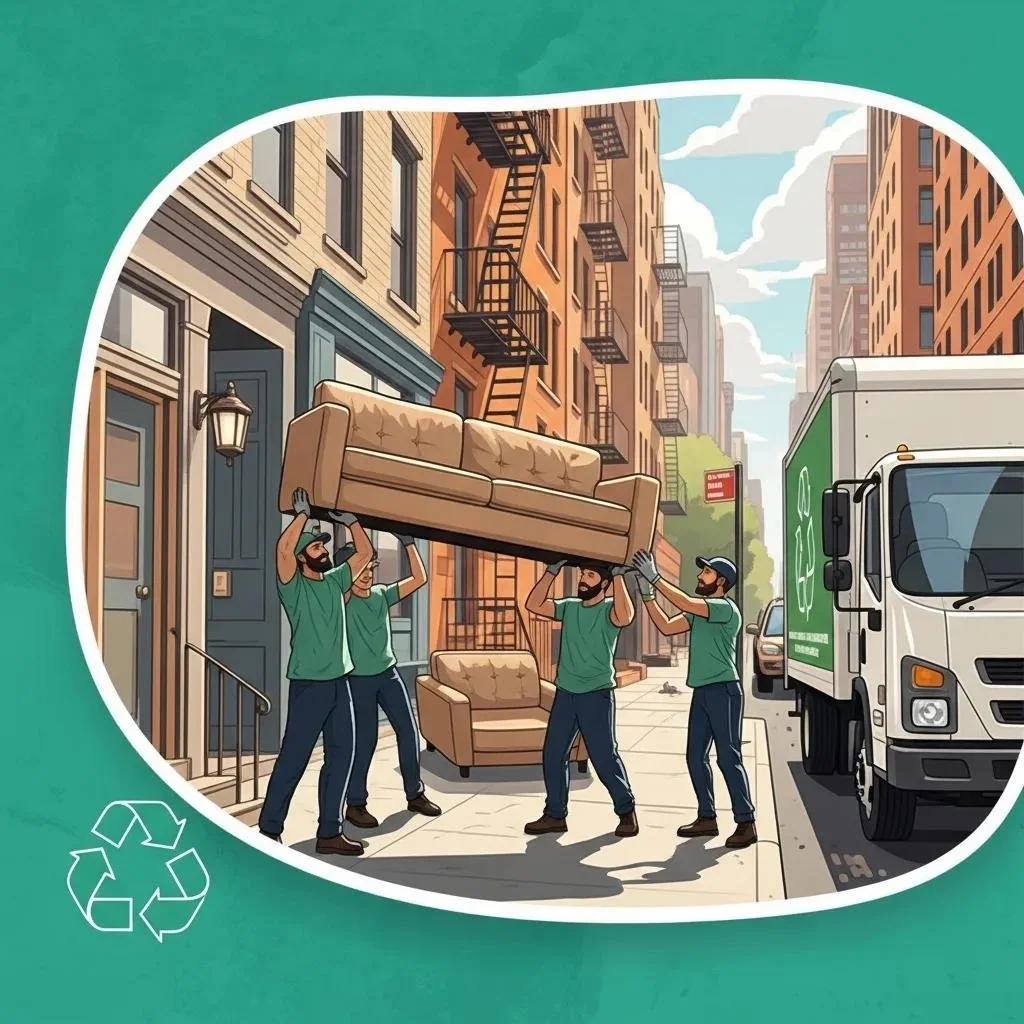
Local Furniture Disposal Services You Can Trust: Affordable, Eco-Friendly Furniture Removal in NYC
Local furniture disposal services take the hassle out of getting rid of unwanted household and commercial furniture. We handle the heavy lifting, disassembly, loading and routing—deciding whether items are donated, recycled, or taken to a licensed disposal site—so you save time and reduce waste. If you need furniture removal in Queens, Brooklyn, Manhattan, the Bronx, or Staten Island, knowing how providers work helps you pick a reliable, budget-friendly, and eco-conscious option. This guide covers what professional furniture removal looks like, transparent NYC pricing guidelines, the kinds of items accepted, eco-friendly disposal steps, the perks of same-day service, and how to book local pickup. You’ll also find checklists, pricing examples, and side-by-side process summaries to help you estimate costs and schedule a smooth removal that favors donation and recycling whenever possible.
What Are Local Furniture Disposal Services and Why Choose Them?
Local furniture disposal services are full-service teams that remove bulky items from homes and businesses and direct them to the right end-of-life destination. Think of them as a specialized branch of junk removal: they offer on-site or virtual estimates, handle stair and elevator carries, disassemble items when needed, and deliver usable pieces to donation centers or recyclers. Choosing a local provider gives you faster response times, knowledge of borough rules, and neighborhood donation partnerships that keep usable items out of landfills. Here are the most common reasons homeowners and property managers choose professional removal over DIY or municipal pickup.
Faster turnaround and far less physical effort than waiting for municipal bulk pickup.
Lower risk of damage during removal thanks to trained crews and proper equipment.
Better environmental outcomes because donation and recycling routes divert usable items from landfills.
Local know-how also removes friction in dense NYC settings—curbside bulk rules and building access vary by borough, and experienced crews smooth those logistics. Many local companies highlight affordable pricing, same-day availability, and eco-friendly disposal as key benefits; use those features as benchmarks when comparing options. Next, we explain exactly what happens during a professional furniture removal visit.
What Does Professional Furniture Removal Include?

A professional removal job usually starts with an estimate (photo-based or in-person), then scheduling, the pickup itself, transport, and a final tidy of the pickup site. Crews lift, carry, and disassemble items when necessary, handle stairs or elevator logistics, and sweep up debris so the space is left broom-clean. Items are routed based on condition and material: reusable pieces go to donation partners, metal and salvageable parts go to recyclers, and the remainder goes to licensed disposal facilities. This full-service approach minimizes your work and clarifies who’s responsible for each disposal step—especially helpful for landlords, property managers, and commercial clients handling turnovers.
Crews often document donations and recycling handoffs for accountability, and experienced teams flag items that need special handling or fall under hazardous-material exclusions. That on-site transparency helps you confirm that donations and recyclables followed the right path. The next section explains why local knowledge matters in NYC removals.
Why Trust Local Experts for Furniture Disposal in NYC?
Local crews know borough-specific rules—DSNY bulk item details, building access limits, and parking or permit requirements—that speed service and prevent fines or delays. Their relationships with nearby donation centers and recyclers let them route usable furniture into community programs quickly, and they coordinate with building managers, elevator schedules, and loading docks to minimize disruption. A provider rooted in the neighborhoods is more likely to offer same-day or next-day pickup and to make disposal choices that align with local sustainability goals.
This local experience is especially valuable in narrow stairwells, strict move-in/move-out windows, or buildings with complex access rules—crews that know how to navigate those constraints reduce time on site and avoid surprise fees. Understanding NYC pricing expectations helps you budget for those operational realities.
How Much Does Furniture Removal Cost in NYC?
Costs in NYC depend on volume, complexity, and final destination. Providers typically charge by truck space (volume-based) or by the hour, which factors in stair carries, disassembly, and team coordination. Other price drivers include item count, stair or long-carry requirements, disassembly needs, and whether items are routed to recycle or donation partners instead of landfills. The table below gives realistic NYC ranges and the main factors that affect price.
Use these ranges to set expectations before requesting a formal quote—actual costs can vary widely with access and item condition.
| Item Type | Typical Cost Range (NYC) | Pricing Drivers |
|---|---|---|
| Sofa / Couch | $120–$350 | Size, weight, stairs, disassembly |
| Mattress (single/queen) | $80–$200 | Size, condition, transport space |
| Armchair / Accent chair | $60–$150 | Bulkiness, access, number of pieces |
| Bed frame / Dresser | $75–$225 | Disassembly, wood/metal material, stair carry |
A large sofa carried down several flights can reach the top of these ranges; ground-floor pickups are often much cheaper. Many providers offer free estimates and clear explanations of volume vs. hourly pricing—those details help you compare offers fairly. Below we break down the main pricing drivers in more detail.
What Factors Influence Furniture Disposal Pricing?
Price reflects physical, operational, and destination factors that determine crew size and time on site. Volume pricing charges for how much truck space your items occupy; hourly models bill for labor time and are common when long carries or disassembly are needed. Stairs and tight access increase labor and cost, as do heavy items requiring extra crew or equipment. Routing items to donation or recycling partners may add handling time, but it can also lower disposal fees compared with landfill drop-offs depending on the provider’s partnerships.
Knowing these drivers helps you supply accurate photos and measurements for a faster, more precise estimate. Next: how to get a free, reliable quote.
How Can You Get a Free Furniture Removal Estimate?
Most free estimates start with clear photos and basic dimensions submitted via an online form, email, or text, followed by a virtual or in-person check to confirm scope and pricing. To speed things up, include shots of each item, note stairs or elevator access, and list any disassembly needs—this reduces surprises at pickup and supports accurate volume- or time-based quotes. Reputable providers will state whether the quoted price is firm or subject to change and will list potential extra fees for stairs, long carries, or special disposal requirements.
Always request a written estimate that lists included services (lifting, hauling, disposal, clean-up) so you can compare providers and avoid hidden charges. Many local companies offer free estimates and use clear volume-based pricing—getting one helps you schedule and budget with confidence.
Which Types of Furniture Does Best Price Junk Removal Handle?
Best Price Junk Removal accepts a wide range of residential and commercial furniture, following a simple disposal hierarchy: donate usable items, recycle suitable materials, and responsibly dispose of what’s left. Their full-service approach covers single-item pickups through large cleanouts, and they emphasize affordable pricing, same-day options, and eco-friendly disposal through recycling and donation partners. Common items handled and their typical disposal pathways include:
Living room items: Sofas, loveseats, coffee tables, armchairs—evaluated for donation or refurbishment.
Bedroom items: Mattresses, bed frames, dressers—mattresses may be recycled or disposed of depending on condition.
Office and commercial pieces: Desks, conference tables, cubicles—often refurbished, reused, or recycled.
The table below maps representative furniture to residential/commercial scope and common disposal methods to help you plan your pickup.
| Furniture Item | Residential / Commercial | Disposal Method |
|---|---|---|
| Sofa / Couch | Residential / Commercial | Donation or recycling if structurally sound |
| Mattress | Residential | Recycling (when accepted) or disposal |
| Office desk / Cubicle | Commercial | Refurbish/reuse or recycling |
| Metal table / Chair | Residential / Commercial | Recycling (metal stream) |
Condition and material strongly influence where items go after pickup. Ready to remove items? Request a free estimate with clear photos and an item count so teams can provide an accurate quote quickly.
What Residential Furniture Items Are Accepted?
Residential pickups typically include living room sets, bedroom furniture, dining sets, and outdoor patio pieces—acceptance depends on condition and material. Clean, repairable furniture is routed to charity partners; metal frames and certain woods go to recyclers. Seasonal items like patio furniture may have limited pickup windows, and heavily soiled or pest-infested pieces are usually excluded from donation and must be disposed of. Clearing pathways, removing loose cushions, and sending photos speeds up estimates and reduces surprises on pickup day.
Knowing residential acceptance policies helps homeowners decide whether to combine services (appliance + furniture) or book separate pickups. Next we cover commercial removals for property managers and businesses.
What Commercial Furniture Can Be Removed?
Commercial removal covers office furniture—desks, cubicles, filing cabinets, conference tables, and waiting-room seating—and often requires coordination for after-hours work or staged removals to limit business disruption. Large projects may need building approvals, loading dock reservations, and phased crew plans; these logistics affect price and scheduling. Many providers partner with refurbishers that accept intact office furniture for resale or donation, creating value recovery and cutting waste. For businesses, a clear inventory and timeline reduce downtime and allow more accurate volume-based pricing.
For big cleanouts, providers may offer project planning and staged pickups to match your schedule and maximize reuse where possible. The next section explains how eco-friendly disposal works in NYC.
How Does Eco-Friendly Furniture Disposal Work in NYC?
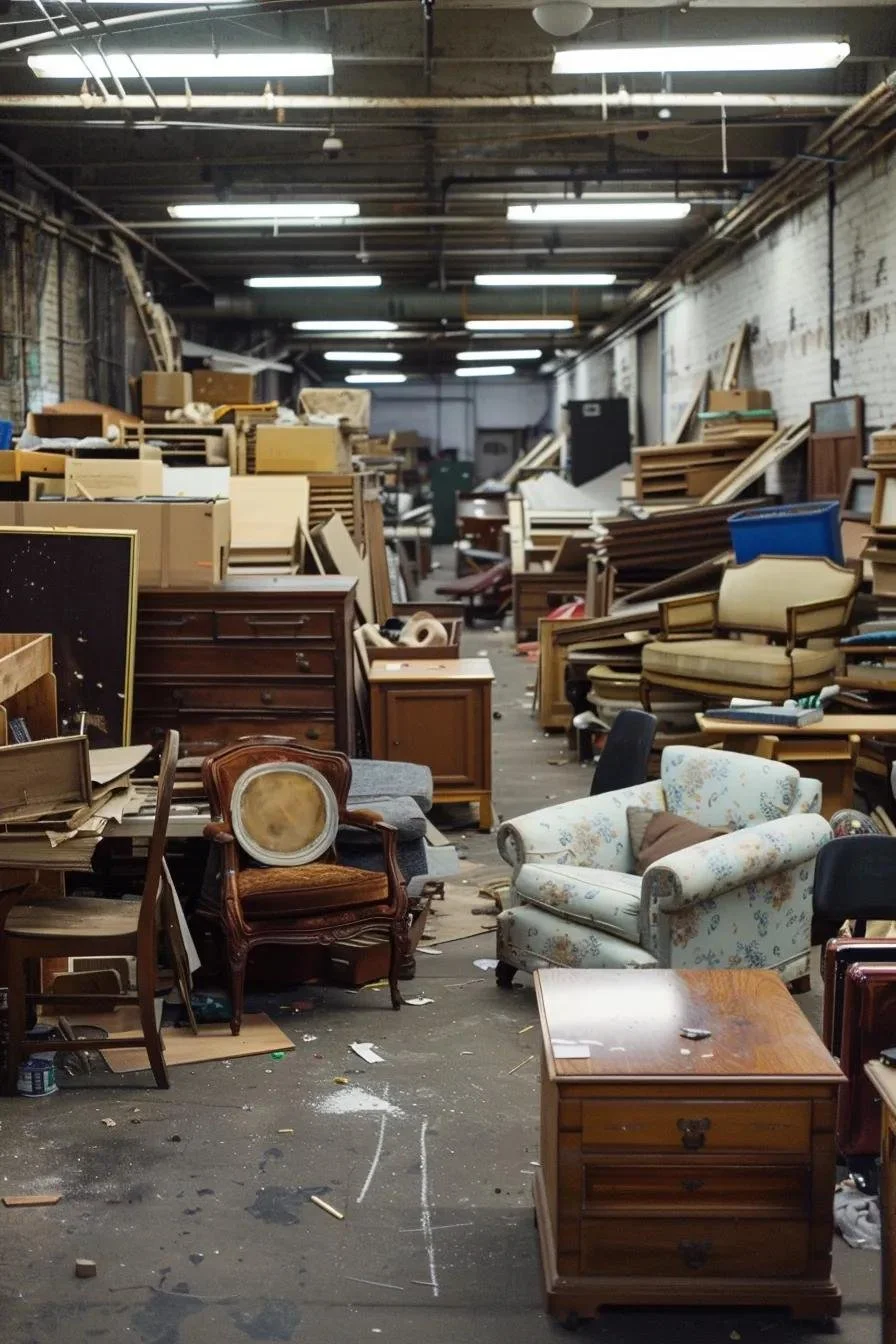
Eco-friendly disposal prioritizes donation and recycling over landfill disposal. The process moves from pickup to sorting, partner handoff, and documentation so customers can see where items end up. This workflow reduces landfill use and supports nonprofits by redirecting usable furniture into community reuse channels while routing recyclable materials—metal, wood components, and some foam—to proper processors. Below is a simple process table showing how items travel after pickup.
The table below outlines the disposal workflow and who’s involved at each step.
| Step | Actor / Partner | Outcome |
|---|---|---|
| Pickup & Triage | Removal crew | Items documented and separated by condition |
| Sorting & Processing | On-site/warehouse team | Usable furniture set aside; recyclable components separated |
| Partner Distribution | Donation centers / recyclers | Items delivered for reuse or material recovery |
| Documentation | Provider records | Donation receipts or recycling notes for accountability |
This structured process steers items to the most sustainable route available and gives customers evidence of responsible handling. Below we explain donation and recycling steps in more detail.
What Are the Recycling and Donation Processes?
After pickup, crews triage items to assess reuse potential and recyclability. Good-condition furniture is set aside for donation partners; metal and salvageable wood are separated for recycling. Donation partners evaluate items for resale or direct distribution to families and nonprofits, while recyclers process components to recover raw materials. Providers that document the handoff can issue donation receipts or summaries, giving customers proof their items supported community reuse or material recovery. Those records also help track diversion rates and show a provider’s commitment to sustainable practices.
Recycling Furniture: Ecological, Economic, and Social Benefits
This study describes a local furniture-reuse project that collected donated pieces, partnered with Habitat for Humanity, refinished items with volunteer help, and delivered them to families in need. The work highlights both environmental benefits (reduced waste) and social value (affordable furnishings for households).
Clear documentation and careful partner selection reduce uncertainty about where an item ends up and increase confidence that donations reach their intended recipients. Next, we cover how eco-friendly disposal supports NYC communities.
How Does Eco-Friendly Disposal Benefit NYC Communities?
Eco-friendly disposal reduces landfill load, extends the life of household goods, and directs resources to social-service organizations that serve local families. Redirecting usable furniture to donation partners helps low-income households and nonprofits access affordable furnishings, while recycling recovers materials that re-enter manufacturing streams. Community benefits also include lower municipal disposal costs and cleaner neighborhoods when commercial and residential clearouts are handled responsibly. Emphasizing reuse and recycling aligns provider operations with resident values and city sustainability goals.
Visible outcomes—donation receipts and documented diversion rates—help communities and customers verify that removals contributed positively to local needs. With sustainability in mind, many customers also value speed, which is where same-day service comes in.
What Are the Benefits of Same-Day Furniture Removal Services?
Same-day furniture removal gives fast relief for urgent move-outs, last-minute cleanouts, and tight timelines. The core benefits are speed, convenience, and reduced downtime: homeowners clear space quickly, landlords turn units faster, and businesses reorganize without long delays. Operationally, same-day pickups require flexible scheduling, available truck space, and crews ready to dispatch; providers that offer same-day service balance these demands to deliver fast, efficient removals. Common scenarios where same-day pickup is especially helpful include:
Tenants moving out with tight turnarounds who need quick removal before final cleaning.
Landlords and property managers who need fast turnovers between occupants.
Businesses that require immediate space clearance for events or renovations.
Knowing how same-day service works helps you prepare items and expectations for a smooth, speedy removal.
How Does Same-Day Service Work?
Same-day service usually begins with a quick estimate (often via photos), a rapid confirmation of availability, and a crew dispatched within hours to collect and dispose of items. Booking cutoffs vary, but readiness steps—clear walkways, photos, and payment confirmation—speed crew arrival and shorten onsite time. Crews follow a tight sequence: confirm scope, load items, and route to donation or recycling partners when possible, while keeping you updated on windows. Having elevator reservations, access instructions, and necessary authorizations ready prevents delays during same-day pickups.
Fast communication and clear photos at booking are the best ways to secure same-day service and keep the process moving. The next section explains who benefits most from quick pickups.
Who Can Benefit from Fast Furniture Pickup?
Many customers gain from same-day pickup—homeowners facing sudden cleanouts, property managers handling tenant turnovers, and small businesses reorganizing space on short notice. Event planners and real estate agents also use quick removal to tidy staging areas or clear properties before showings. For these groups, reduced downtime and immediate space recovery can translate into cost savings and smoother outcomes compared with waiting for scheduled pickups or doing the work yourself.
Fast pickup works best when customers prepare items and provide accurate information at booking so crews arrive ready to finish the job. With speed and logistics covered, the final section shows how to book services across NYC boroughs.
How to Book Local Furniture Removal Services in Queens, Brooklyn, and Other NYC Boroughs?
Booking a local furniture removal follows four simple steps: get a clear estimate, schedule a pickup window, prepare items for removal, and confirm disposal preferences and documentation. Providers serving NYC typically ask for photos and an item list to deliver an accurate free estimate and to confirm same-day availability. Service-area details—loading docks, street parking, and DSNY bulk rules—affect scheduling, so include that information when requesting a quote. Below is a streamlined process many customers follow to secure prompt, transparent removal.
Send photos and measurements of items and describe access (stairs/elevator).
Receive a free estimate that explains volume or hourly pricing and any additional fees.
Schedule the pickup window, confirm access details and payment method.
Prepare items and clear paths; crew arrives, performs removal, and provides disposal documentation as applicable.
Following these steps reduces surprises and shortens the timeline from estimate to removal. The section below lists the boroughs covered and what to expect in each area.
What Are the Service Areas Covered by Best Price Junk Removal?
Best Price Junk Removal serves all five NYC boroughs—Queens, Brooklyn, Manhattan, the Bronx, and Staten Island—and adjusts operations to local access realities. In Queens and Brooklyn crews often navigate brownstone stairwells and limited curb space; in Manhattan, tight sidewalks and loading rules require precise timing and building coordination. The Bronx and Staten Island have unique routing and parking patterns that experienced crews manage through neighborhood knowledge and partner contacts. Confirm availability for your specific address during the free estimate so the team can plan for building-specific rules or access needs.
Knowing the borough for your pickup helps the provider assign the right crew size, vehicle, and permits to ensure a smooth removal. The next subsection explains how to schedule and prepare for day-of pickup.
How to Schedule Your Furniture Pickup and Disposal?
To schedule a pickup, send clear photos, counts, and access notes with your free estimate so the provider can assign appropriate resources and offer accurate pricing. Confirm the appointment time, payment method, and whether donation receipts or recycling documentation will be provided. On pickup day, clear interior routes, secure elevator reservations if needed, and have building authorization ready—these actions shorten crew time onsite and avoid extra charges. When the crew finishes, request a brief receipt or summary showing where items were delivered—donation center, recycling facility, or disposal site—to confirm responsible handling.
Following these steps ensures predictable pricing and a clean, efficient removal that supports reuse and recycling whenever possible. If you’re ready to clear furniture quickly and responsibly, request a free estimate with photos and item details to get started.
Frequently Asked Questions
What should I do to prepare for furniture removal?
Make the pickup smoother by clearing pathways to the items, removing small obstacles, and disassembling large pieces if you can. Take clear photos of each item for the estimate and note stairs or elevator access. If your building requires elevator reservations or approvals, arrange those ahead of the appointment to avoid delays.
Are there any items that cannot be removed?
Yes. Hazardous materials—chemicals, certain paints, and electronics with batteries—are usually not accepted. Heavily soiled or pest-infested items are often excluded from donation and may need special disposal. Check with your provider for a full list of prohibited items before pickup.
How do I ensure my items are donated or recycled?
Pick a removal service that prioritizes eco-friendly disposal and asks about donation and recycling at booking. Ask for details on partner charities and recycling facilities, and request documentation (donation receipts or recycling notes) after pickup to confirm where your items went.
What happens to my furniture after it is picked up?
Crews sort items by condition and material. Usable furniture usually goes to donation centers, recyclable materials go to the appropriate processing facilities, and non-reusable items are taken to licensed disposal sites. Many services provide documentation of the handoff for transparency.
Can I schedule a pickup for a specific time?
Yes. Most providers let you choose a time window when you request an estimate. Same-day options are available but can be limited, so book early if you need a specific date and time. Confirm access details in advance to keep the appointment on schedule.
What should I expect during the pickup process?
Expect the crew to arrive during the scheduled window, confirm the scope, and carefully remove and load items onto the truck. They’ll usually sweep up any debris and provide a summary or receipt showing how your items were handled, including donation documentation if applicable.
How can I find a reliable furniture removal service?
Research local providers, read customer reviews, and look for transparent pricing and eco-friendly practices. Request free estimates from multiple services so you can compare costs and included services. A trustworthy company will answer your questions and provide disposal documentation when requested.
Conclusion
Choosing a local furniture disposal service in NYC makes the process easier and more responsible. Professional teams handle the heavy work and help route usable items to donation or recycling partners—keeping more furniture out of landfills. Ready to clear space responsibly? Request a free estimate today and let local experts handle the rest with speed, transparency, and care.