
Eco-Friendly Construction Waste Disposal: Your Green Options
Eco-Friendly Options for Construction Debris Disposal: Sustainable Waste Management and Recycling Services in NYC
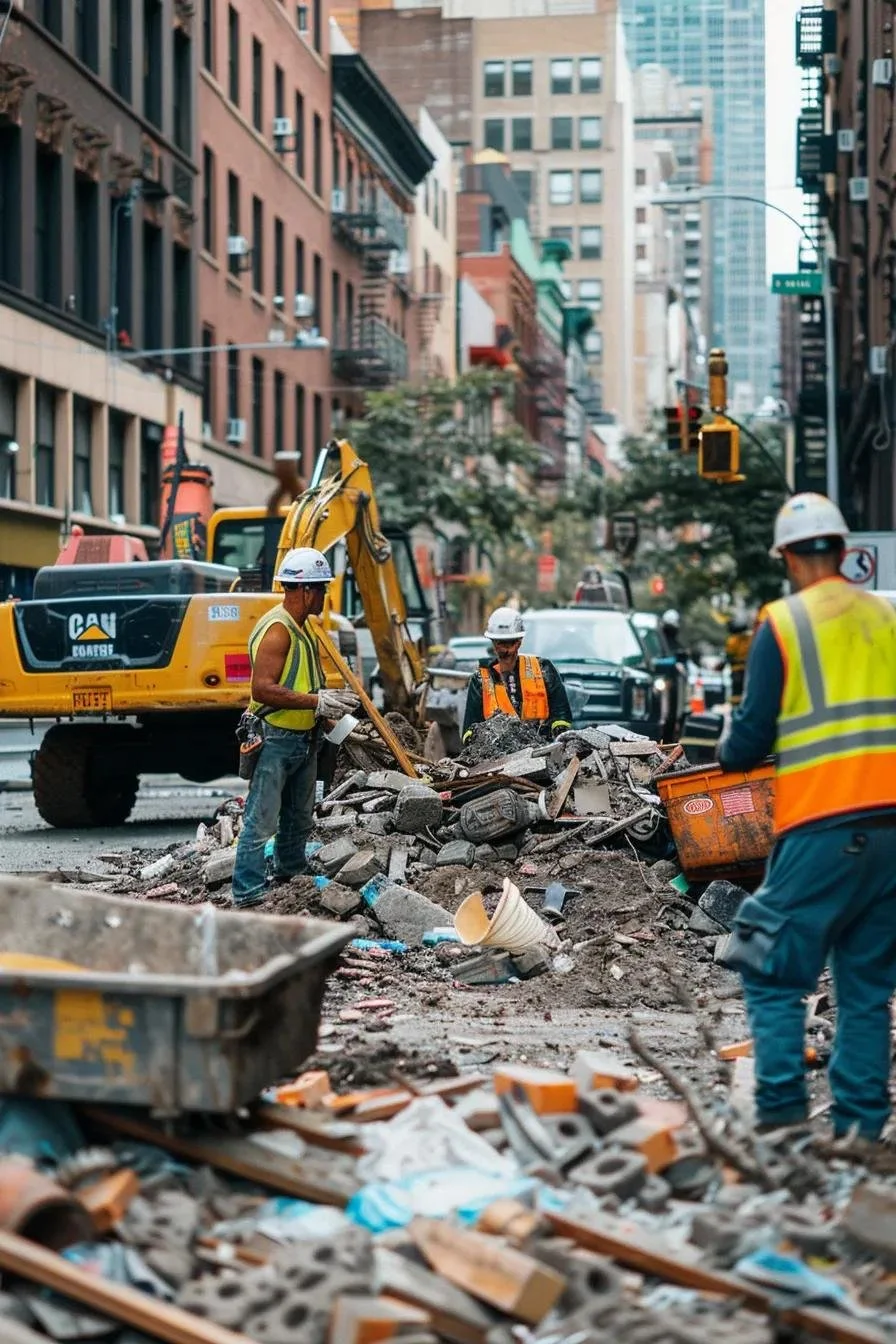
Construction and renovation work across New York City generates a lot of debris. Left to conventional disposal, that material adds to landfill volume, raises emissions, and wastes materials that could be reused. This guide lays out practical, eco-friendly options for handling construction debris so projects can cut environmental impact, follow local rules, and save money through recycling and reuse. You’ll find why sustainable waste management matters for NYC work, step-by-step operational guidance for green removal, contractor-facing best practices for deconstruction and on-site sorting, relevant local rules and resources, and the measurable economic and reputational benefits. We also explain how Best Price Junk Removal — a full-service junk removal company based in Queens that serves all five boroughs with affordable, same-day ECO Friendly service — manages construction removal, recycling, and donation routes. After reading, contractors, property managers, and homeowners will have clear next steps and a short checklist for requesting a free estimate or arranging same-day pickup to keep projects on schedule and compliant.
Why Is Sustainable Construction Waste Management Important for NYC Projects?
Sustainable construction waste management means keeping demolition and renovation debris out of landfills whenever possible by reusing, recycling, or recovering materials. It starts with separating salvageable items at the source, sending recyclables to the right processors, and donating usable goods to community partners. For NYC projects this approach delivers three practical wins: it lowers disposal and tipping costs, helps meet local waste-diversion targets, and boosts a project’s reputation with tenants and stakeholders. Below is a quick summary of the main benefits teams see when they prioritize green waste handling during construction.
Sustainable waste management delivers immediate, project-level advantages:
Lower landfill fees and hauling costs by diverting recyclables and reclaimed materials.
Reduced greenhouse gas emissions by avoiding landfill decomposition and cutting demand for virgin materials.
Stronger project marketability and simpler documentation for LEED or other sustainability credits.
Faster site turnover when debris is staged and removed on a predictable schedule.
Those direct benefits translate to on-site choices and workflows, which we cover in the sections that follow.
What Environmental Benefits Does Eco-Friendly Debris Disposal Provide?
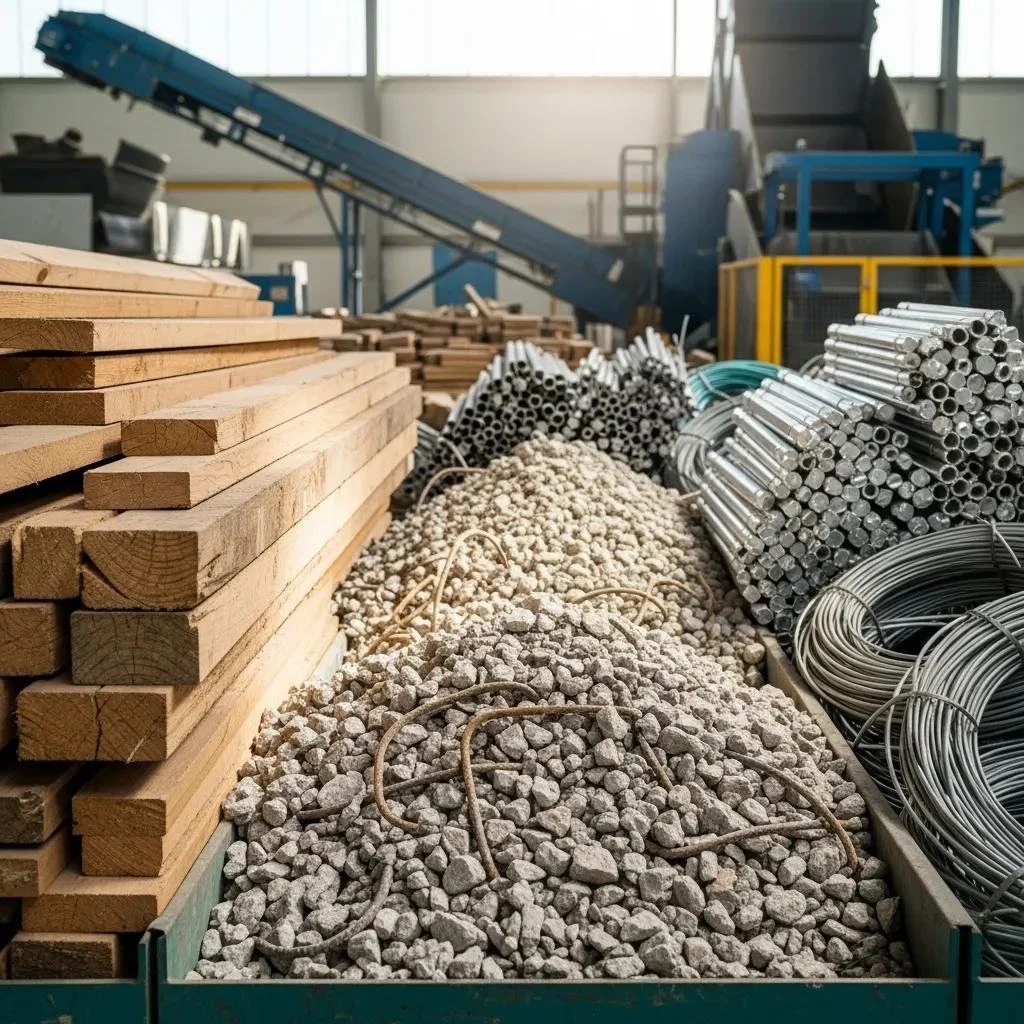
Eco-friendly debris disposal shrinks the amount of material sent to landfills, cutting methane emissions and reducing long-haul trucking when items are processed locally. Recovering metals, crushed concrete, and salvaged timber returns valuable resources to the supply chain, conserving the energy used to extract and manufacture new materials. For example, recycling scrap metal saves ore and lowers smelting emissions; crushed concrete can become road base or aggregate for new pours, reducing the need for fresh aggregate.
Municipal diversion goals and recent studies show that modest improvements in on-site sorting and reuse can significantly raise diversion rates — which produces both carbon and cost savings.
Those environmental benefits are measurable and often link directly to certification advantages many developers pursue for competitive edge.
How Does Sustainable Waste Management Support Green Building Practices?
Sustainable waste management helps projects earn credits under green building programs like LEED by documenting diversion rates, recycled content, and material reuse — all of which feed construction waste and materials credits.
Teams that track and report recycling streams can claim diversion credits and improve certification scores. Beyond formal certification, owners and managers who show real waste reduction and donation activity also gain market appeal with tenants and investors who care about lifecycle impacts.
Because recycling and deconstruction planning both support compliance and add market value, investing in them often pays back through certification points and improved property positioning. Next, we explain how a removal partner turns these plans into on-the-ground action.
How Does Best Price Junk Removal Handle Eco-Friendly Construction Debris Disposal?
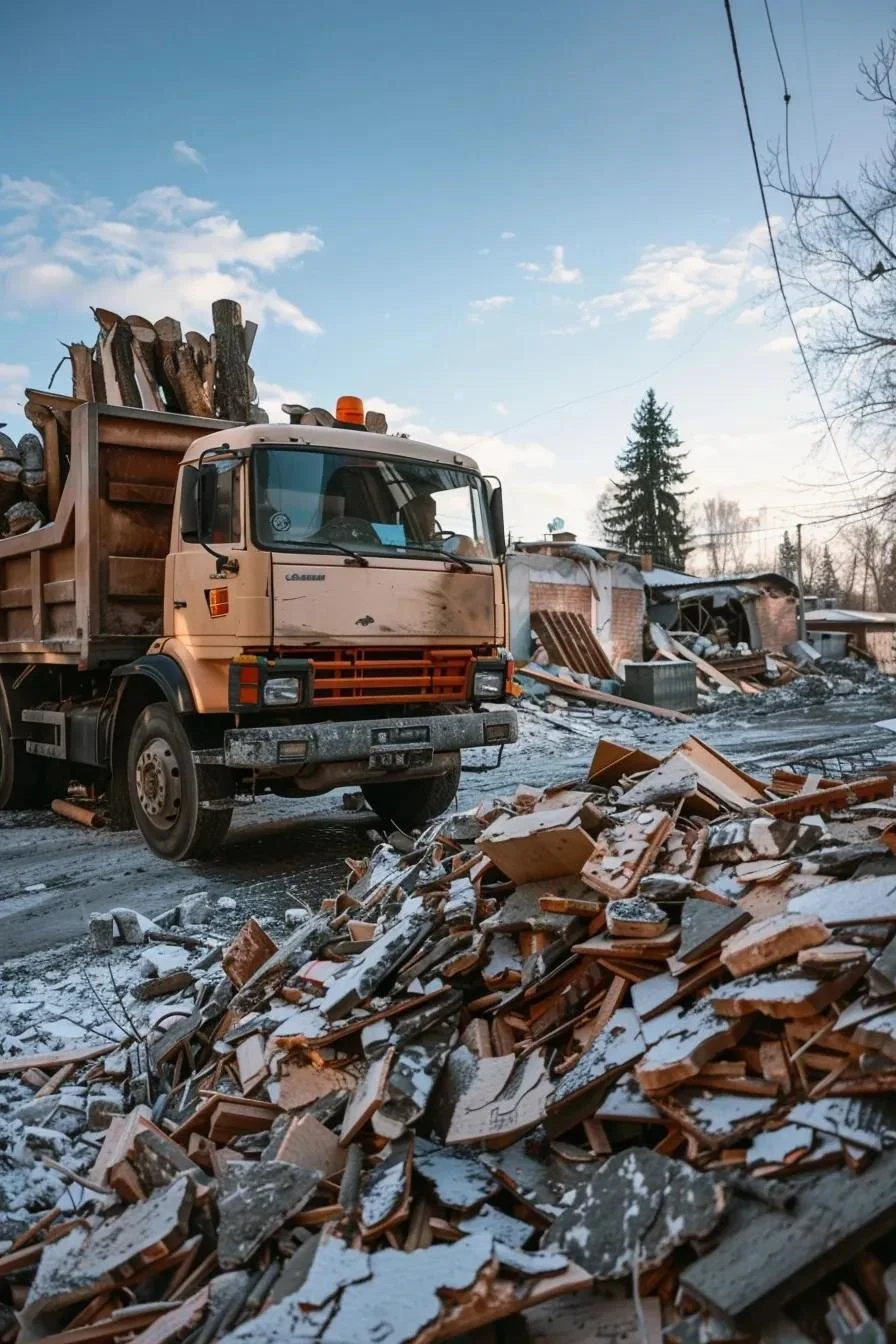
Best Price Junk Removal uses a practical collection-to-recycling workflow that balances logistics with diversion goals. We offer same-day service and free estimates to meet tight NYC schedules. The process centers on an initial assessment, targeted on-site sorting, prioritized routes to recyclers and donation partners, and responsible disposal for materials that can’t be recovered.
By working with neighborhood recycling centers and donation outlets, Best Price Junk Removal directs insulation, glass, scrap metals, and other renovation materials to the right processors — all while keeping rates affordable and pickups prompt across Queens, Brooklyn, Manhattan, the Bronx, and Staten Island. That operational model supports contractors who need reliable, compliant, and eco-conscious hauling without slowing project milestones.
Below is a simple breakdown of the typical process so contractors and property managers can anticipate timing and outcomes.
Request and estimate: Send project scope and photos for a free estimate; same-day appointments are offered when schedules allow.
On-site assessment: Crews check access, material types, and volumes, then recommend sorting and container plans.
Collection and staging: Teams load debris, separate recyclables and donations on-site, and stage loads for efficient transport.
Transport and handoff: Materials go to specialized recycling facilities, metal yards, or donation partners; non-recyclables are disposed of responsibly.
Final documentation: On request, crews confirm diversion activities and advise on other reuse opportunities for remaining material.
This booking-to-diversion workflow creates predictable timelines for busy sites and introduces the materials we accept, summarized below for quick reference.
The table below lists common construction materials, whether we typically accept them, and the usual post-pickup processing routes used to keep waste out of landfill.
| Materials | Accepted? | Typical Recycling Path |
|---|---|---|
| Wood (dimensional lumber, pallets) | Yes | Salvaged for reuse, milled into reclaimed lumber, or chipped for mulch/biomass |
| Concrete and masonry | Yes | Crushed for aggregate used as subbase or in new concrete mixes |
| Metal (steel, copper, aluminum) | Yes | Sorted and sent to metal recyclers for remelting and reuse |
| Drywall (gypsum) | Conditionally | Separated for gypsum reclaiming or energy recovery; contaminated drywall routed to proper disposal |
| Glass | Yes | Clean glass sent to cullet processors for reuse in new glass or as aggregate |
| Insulation | Conditionally | Clean, uncontaminated insulation sent for specialized recycling; contaminated material disposed safely |
This table clarifies typical acceptance and outcomes. Preparing on-site sorting raises the share of material that follows higher-value recycling paths.
Best Price Junk Removal’s commitments — same-day pickup availability, ECO Friendly focus, and borough-wide coverage — help projects hit diversion goals without slowing schedules. Our coordination with local partners and donation outlets increases salvage opportunities and simplifies compliance documentation, offering clear advantages over single-stream disposal.
What Are the Steps in Our Eco-Friendly Construction Debris Removal Process?
We start with a clear scope assessment so crews can size vehicles, plan sorting, and route loads to minimize truck miles and handling time.
Crews separate materials on-site into streams: salvageable items, recyclables, items that need specialist hazardous handling, and general residuals — lowering contamination and improving recycling rates.
Collected materials are then sent to the right downstream partners: metal yards, concrete crushers, gypsum reclaimers, or donation centers. That selective routing preserves value and cuts landfill volume.
Finally, crews provide a short follow-up report on what was diverted and schedule any additional pickups or same-day service if the project needs urgent clearance.
This step-by-step handling reduces downtime and improves diversion performance, and it flows naturally into the material pathways crews use to maximize recycling outcomes.
Which Construction Materials Do We Recycle and How?
Materials follow distinct recovery paths: metals are sorted and baled for remelting, concrete is crushed and screened for aggregate, and salvaged wood is inspected for reuse or chipped for other products.
Best Price Junk Removal accepts a wide range of renovation materials — insulation, glass, scrap metals, fixtures, drywall (when separated and uncontaminated), and structural timber — and routes each to the processing destination that preserves the most value.
Clean fixtures and working appliances are prioritized for donation so they get a second life. By separating loads at pickup and avoiding cross-contamination, we increase the percentage of material that can be recycled or donated instead of landfilled.
On busy NYC sites, our crews use proven staging and clear labeling to minimize handling and maximize diversion.
What Are the Best Practices for Construction Waste Recycling and Deconstruction in NYC?
Good on-site planning starts with choosing between deconstruction and demolition. Deconstruction preserves materials by dismantling in a controlled sequence; demolition is faster but produces mixed waste that’s harder to recycle. Best practice is to assess salvage value early, set aside staging areas for sorted materials, and train crews on labeling and contamination avoidance.
Scheduling regular pickups with a removal partner prevents on-site pileups and reduces double-handling. Pre-project meetings with recycling partners clarify what they will accept. Together these steps raise diversion rates, cut disposal costs, and unlock resale or donation value that demolition often overlooks.
Below are practical steps contractors can use to improve diversion and recovery on projects.
Early salvage assessment: Identify reusable fixtures and materials during design or pre-demo planning.
Staged sorting zones: Set covered areas for wood, metals, drywall, and donations to prevent contamination.
Crew training and signage: Use simple labels and short briefings so sorting stays consistent during active work.
Scheduled pickups: Book regular removal windows to keep sites clear and materials moving to processors.
These practices reduce contamination and support higher-value recycling. The next table compares common approaches so teams can pick the best fit for a given project.
| Practice | Benefit | Estimated impact / Example |
|---|---|---|
| On-site sorting | Higher recycling yields | Can increase diversion by 20–40% on renovation projects |
| Deconstruction | Maximizes salvage value | Recoverable materials can offset 5–15% of material costs in reuse markets |
| Conventional demolition | Speed and lower labor planning | Faster but usually yields lower diversion rates and higher landfill fees |
| Scheduled staged pickups | Reduced handling and downtime | Avoids rework and keeps sites operationally efficient |
Prioritizing deconstruction and organized sorting produces measurable diversion and financial gains. The right mix depends on timeline, labor, and salvage goals. These choices also intersect with NYC’s rules for handling and reporting construction waste.
How Does Deconstruction Differ from Demolition for Material Reuse?
Deconstruction carefully takes a structure apart to preserve materials for reuse; demolition quickly tears a structure down and often creates mixed, contaminated waste. Deconstruction yields higher salvage for doors, cabinets, timber, and fixtures — which can be resold or donated — but it requires planning and staging to be cost-effective.
Demolition still has a place when conditions or schedules don’t allow careful salvage, but teams should try to segregate high-value or recyclable streams during demolition to capture diversion opportunities.
Weighing both approaches early helps owners balance schedule, labor, and sustainability targets. Where feasible, choosing deconstruction supports stronger recycling outcomes and local circular-economy partners.
What Are Effective On-Site Sorting and Recycling Techniques?
Practical sorting techniques include placing labeled containers for each stream, protecting salvaged items with tarped staging areas, and assigning a sorting lead on each shift to check for contamination. Choose container sizes that fit the site — small bins for glass and drywall, larger roll-offs for bulky timber and concrete — and position them to minimize walking and handling time. Quick, regular audits of separated streams reduce cross-contamination and improve acceptance by recyclers. Photographing loads before pickup can speed acceptance and clarify whether an item should be donated or recycled, lowering rejection risk.
These hands-on methods connect site operations to downstream processing and set the stage for meeting local regulatory expectations.
What Local NYC Regulations and Resources Affect Green Construction Waste Disposal?
NYC rules require contractors and property owners to follow waste-handling standards that aim to cut landfill use and raise recycling. Key agencies include the New York City Department of Sanitation (DSNY), plus municipal permitting for street access and debris staging.
Important considerations include proper containment of construction and demolition (C&D) debris, correct handling of potentially hazardous materials, and following borough-specific requirements for curbside pickup, permits, or staging.
Working with a removal partner that understands permit windows, parking constraints, and transfer-station rules can prevent delays and fines. Providers who coordinate with local recycling facilities and know municipal expectations reduce administrative work for project teams.
What Are NYC’s Construction Waste Disposal Laws and Permits?
NYC expects construction projects to follow rules for separating and disposing of certain wastes. Specifics vary with project size, but common requirements include secure containment, avoiding illegal dumping, and following street activity permits for sidewalk or road closures.
Projects with hazardous materials need licensed abatement and specialized disposal. Removal providers should flag these items during assessment so the right contractors handle them.
Checking municipal guidance and coordinating with your removal partner early helps ensure you have the permissions to stage trucks and containers and avoid operational hold-ups. Good documentation of diversion and disposal can also help close permits and support green-building paperwork.
Which Local Recycling Facilities and Partnerships Support Eco-Friendly Disposal?
NYC has a variety of facilities that support diversion: concrete crushers and aggregate processors accept masonry for reuse, metal yards remelt ferrous and non-ferrous scrap, specialized gypsum reclaimers process clean drywall, and donation centers redistribute functional fixtures and appliances.
Best Price Junk Removal and similar providers work with these facility types to route loads correctly, improving acceptance rates and shortening transport distances. Local partnerships reduce truck miles, lower emissions, and increase the chance materials re-enter local supply chains. Working with a removal company that maintains relationships across facility types helps projects find the right destination for each material and improves diversion performance.
How Can Green Construction Waste Management Benefit Your Project Economically and Environmentally?
Green construction waste management cuts costs by lowering landfill tipping fees and shrinking the volume of mixed waste hauled off-site. Salvage and resale of materials can offset purchase costs or even generate revenue.
Environmental gains include fewer transport emissions and lower embodied carbon when recycled aggregate and metals replace virgin materials.
Projects that document diversion and donations can also earn green-building credits and strengthen messaging to tenants and investors, which can boost long-term property value. Taken together, the economic and environmental results make sustainable waste management a value-adding choice, not just a compliance checkbox.
| Benefit Type | Metric | Typical Outcome / Example |
|---|---|---|
| Landfill fee reduction | Lowered tipping costs | 10–30% savings when diversion is planned and executed |
| Salvage revenue | Resale or donation value | Functional fixtures and timber can recoup a portion of material budgets |
| LEED and sustainability credits | Certification points | Proper tracking and diversion support construction waste management credits |
| Reputation and tenant appeal | Marketing differentiation | Projects with documented sustainability attract eco-conscious tenants and buyers |
These metrics show how diversion and reuse translate into real project outcomes. A quick example calculation clarifies savings potential:
1. Estimate diversion percentage from a project audit. 2. Multiply diverted tonnage by local tipping fees avoided to estimate direct savings. 3. Add salvage resale estimates to calculate net material offset.
Using this approach during bidding and budgeting helps owners and contractors decide whether to invest in deconstruction, added sorting labor, or more frequent pickups.
What Cost Savings Result from Sustainable Construction Debris Disposal?
Savings come from avoided landfill fees, lower transport costs through smarter routing, and partial offsets from resale or reuse of salvaged items.
On many renovation jobs, reduced disposal fees alone cover the extra labor for on-site sorting — especially when valuable materials like metal or high-quality timber are reclaimed.
Combining scheduled pickups (to avoid double-handling) with targeted deconstruction of high-value components can make the net project cost noticeably lower than a single-stream demolition that sends most material to landfill. Project teams should model expected diversion rates and salvage values early to quantify savings and decide whether to change scope or labor plans.
How Does Eco-Friendly Disposal Enhance Your Project’s Reputation and Compliance?
Projects that show measurable diversion and donation results send a positive signal to tenants, investors, and municipal reviewers — improving brand reputation and smoothing permit or certification processes.
Documented recycling outcomes support LEED and other sustainability claims and can be used in marketing materials to attract value-focused tenants. Compliance benefits include fewer regulatory headaches and clearer paperwork at inspections and permit closeouts.
In short, eco-friendly disposal builds long-term stakeholder trust and can set a property apart in competitive rental or sales markets.
How Can You Get a Free Estimate for Eco-Friendly Construction Debris Disposal in NYC?
Getting a free estimate starts with clear project details so removal partners can propose accurate, diversion-focused plans and — when needed — schedule same-day service.
The easiest way to get an actionable quote is to share the project address, a list of material types and estimated volumes, photos or a short video of the site, notes on access constraints (for example stair-only removal), and your preferred pickup timing. Best Price Junk Removal offers free estimates and often provides same-day service across NYC’s five boroughs, which helps projects handling sudden schedule changes.
Clear information up front reduces the need for re-scoping on site and helps contractors compare diversion scenarios and costs.
Project address and borough, plus expected pickup dates or recurring schedule.
Material list and estimated volumes (cubic yards, pallet counts, or photos).
Access notes: stair access, elevator availability, street parking or permit needs.
Preferred timing: same-day or scheduled pickup windows and any hard deadlines.
What Information Do You Need to Request a Quote?
To give a reliable quote, removal partners need project scope (area or floor count), an inventory of debris types, images or a short video to check access, and any limits on work hours or street access.
Photos speed estimate accuracy and reduce surprises at pickup. If hazardous materials are present, note them so providers can flag items requiring specialist handling.
If diversion documentation is needed for certification, say so up front so the provider can capture the right records.
Providing full details ahead of time cuts on-site delays and improves diversion estimates for planning.
How Does Same-Day Service Support Your Construction Timeline?
Same-day debris removal reduces downtime after demo, prevents material pileups that block work areas, and supports quick turnarounds between trades — essential on tight schedules.
In practice, same-day pickups clear emergency debris after an unexpected delivery or let crews keep working the next morning without waiting for disposal. Limits can include vehicle availability and permit windows for street access, so early coordination matters. Still, having a removal partner with same-day capacity helps contractors manage risk and maintain momentum.
When same-day service is available, teams can plan tighter sequences and count on predictable clearance times.
Have clear photos and an on-site contact for quick coordination.
Confirm pickup windows and parking/permit arrangements in advance.
Be ready to direct crews to staged materials to minimize loading time.
These small preparations make same-day debris removal a dependable tool for keeping NYC projects moving while meeting diversion and compliance goals through coordinated, eco-friendly disposal.
Frequently Asked Questions
What types of materials can be recycled from construction debris?
Many construction materials are recyclable. Common items include metals (steel, copper, aluminum), wood (lumber and pallets), concrete, drywall, glass, and insulation. Each material has a specific recycling path — metals are sorted and sent for remelting, concrete can be crushed and reused as aggregate — so on-site sorting is key to maximizing recycling and minimizing landfill waste.
How can contractors ensure compliance with NYC waste disposal regulations?
Contractors can stay compliant by learning the local rules for construction and demolition waste: proper containment, handling hazardous materials correctly, and securing required permits for curbside pickup or street use. Partnering with an experienced removal company simplifies compliance because they can advise on rules, permits, and best practices to avoid fines and delays.
What are the economic benefits of eco-friendly construction waste management?
Eco-friendly waste management can cut costs through lower landfill tipping fees and reduced transport expenses from optimized routing. Salvaging and reselling usable materials can further offset project costs. Projects that document their diversion efforts may also earn green-building credits and improve marketability, helping increase property value over time.
How does on-site sorting improve recycling rates?
On-site sorting boosts recycling rates by separating materials into clear streams (metals, wood, recyclables) before they leave the site. This lowers contamination and raises acceptance rates at recycling facilities. Designated sorting areas and labeled containers make the process quicker and more consistent, producing better diversion results.
What role do local recycling facilities play in eco-friendly disposal?
Local recycling facilities are essential — they process construction debris and divert it from landfills. Different facilities handle specific materials like concrete, metals, or drywall. Partnering with nearby recyclers reduces truck miles, cuts emissions, and improves the chances that materials will re-enter local supply chains.
How can contractors maximize the reuse of materials during deconstruction?
Contractors can increase reuse by planning the dismantling to preserve valuable components. That means identifying salvageable items early, allocating areas for sorted materials, and training crews on careful handling. Favoring deconstruction over demolition when feasible recovers more material for resale or donation and supports sustainability goals.
What are the benefits of using a professional junk removal service for construction debris?
Professional junk removal services bring expertise in eco-friendly disposal, knowledge of local regulations, and efficient logistics. They can offer same-day pickups to keep projects on schedule and have established relationships with recycling facilities and donation centers to improve diversion rates and support sustainable waste management.
Conclusion
Choosing eco-friendly construction debris disposal reduces landfill impact, streamlines project work, and helps you stay compliant with local rules. Prioritizing recycling and reuse often saves money and strengthens your project’s sustainability story. Partnering with a knowledgeable removal service like Best Price Junk Removal makes it easy to meet those goals. Request your free estimate today and get the same-day pickup options you need to keep your project on track.